
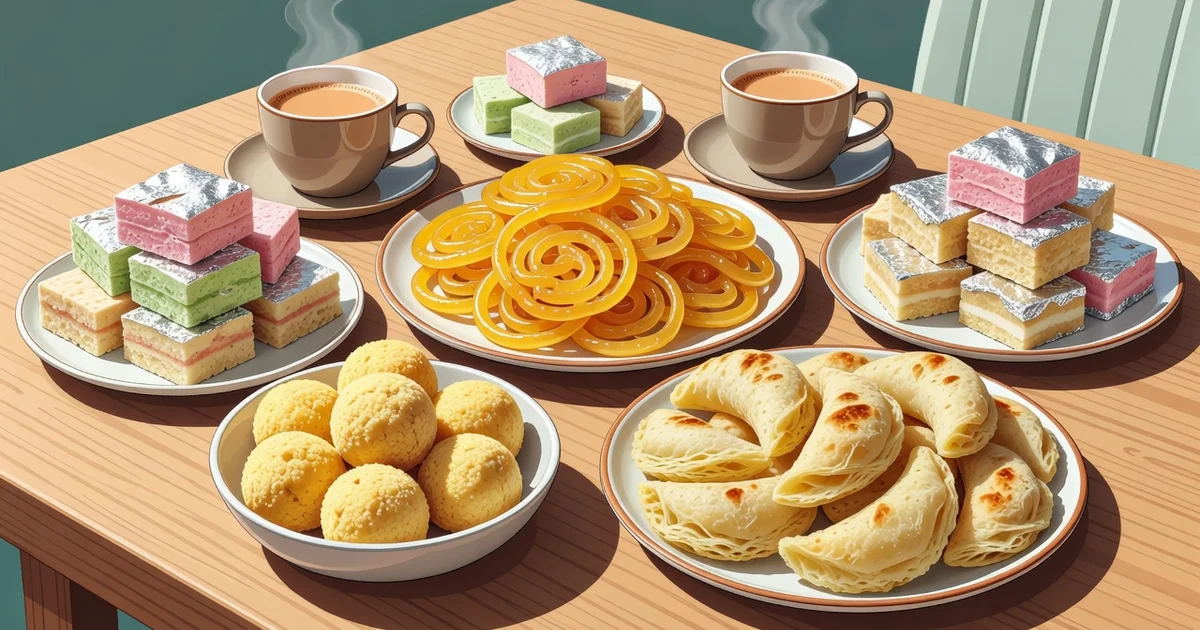
Evening tea in Pakistan is never just about the drink—it is a ritual built around warmth, conversation, and something sweet on the side. Whether you are hosting guests or winding down after a long day, the right mithai can turn a simple cup of chai into a memorable experience. Choosing from the many popular Pakistani sweets can feel overwhelming, given how many regional favourites compete for space on the tray.
This guide walks you through the most loved treats to pair with your evening tea, from rich barfi and flaky bakarkhani to syrupy gulab jamun and crisp jalebi. You will learn what each sweet tastes like, where it comes from, and which teas bring out its best flavours—so your next chai break is anything but ordinary.
In Pakistan, evening tea is more than a drink; it is a daily ritual that brings families together. The chai itself is only half the story. What sits beside the cup matters just as much. A plate of popular Pakistani sweets transforms a simple tea break into a small celebration. From the syrup-soaked classics of Lahore to the milk-based treats of Karachi, the country has a rich repertoire of mithai that pairs beautifully with a hot cup of doodh patti or elaichi chai.
This article explores popular Pakistani sweets to enjoy with evening tea with clear, practical guidance. You will learn what makes each sweet distinctive, how to match them with different teas, and how to serve them in a way that suits your taste and occasion. Understanding the fundamentals of popular Pakistani sweets to enjoy with evening tea helps you make informed decisions, whether you are hosting guests or simply treating yourself after a long day.
Introduction
Walk through any bazaar in Pakistan around 5 p.m., and you will notice the same scene: roadside dhabas filling cups, sweet shops lighting up their glass display cases, and families gathering around a table with a tray of mithai. The combination of sweet and bitter, hot and rich, is deeply ingrained in the culture.
Popular Pakistani sweets to enjoy with evening tea range from soft and milky to crisp and syrupy. Some are best eaten fresh the same day; others keep well for a week. Knowing the difference helps you buy wisely and serve confidently.
Reliable information and consistent habits lead to better long-term outcomes. That principle applies here too. Once you understand a few basics about textures, sweetness levels, and tea pairings, you can consistently choose sweets that elevate your evening chai rather than overpower it.
Key Concepts
Before diving into specific sweets, it helps to understand the categories that define Pakistani mithai. Most popular options fall into a few broad groups.
- Milk-based sweets (doodh mithai): Made by slow-reducing milk with sugar. Examples include barfi, peda, and gulab jamun. They are rich, dense, and pair well with strong, less-sweet tea.
- Syrup-soaked sweets (chashni wali mithai): Fried dough or flour balls soaked in sugar syrup. Jalebi and gulab jamun are classic examples. Their intense sweetness calls for a plain, unsweetened cup of tea.
- Flour-based sweets: Made from gram flour, semolina, or wheat. Ladoo, patisa, and sohan halwa belong here. They are often crumbly and nutty, matching nicely with light cardamom tea.
- Nut and dried fruit sweets: Include chikki, badam barfi, and dry fruit rolls. These are less sugary and more premium, ideal for festive evenings.
- Regional specialties: Multani sohan halwa, Karachi halwa, Peshawari falooda, and Lahori jalebi each bring a distinct local character to the tea table.
Understanding these groups helps you balance your tea tray. A common mistake is serving three or four intensely sweet items together. Mixing a syrupy sweet with a nutty or milk-based one creates a more enjoyable experience.
Deep Dive
Let us look more closely at some of the most loved sweets and how they behave at the tea table.
Gulab Jamun
Deep-fried milk dough balls soaked in rose-scented syrup, gulab jamun are soft, spongy, and intensely sweet. They are one of the most popular Pakistani sweets to enjoy with evening tea, especially during winter. Because of their syrup content, pair them with a plain or lightly sweetened cup. A strong karak chai cuts through the sweetness beautifully.
Jalebi
Crisp, golden spirals of fermented batter fried and dipped in saffron syrup, jalebi is best eaten hot. In Pakistan, fresh jalebi with a cup of doodh patti is a beloved combination, particularly on weekend mornings and cold evenings. The crunch contrasts well with the smoothness of milky tea.
Barfi
Barfi comes in many forms: plain, chocolate, coconut, and pistachio. It is dense and milky, with a firm, sliceable texture. Plain barfi pairs well with elaichi (cardamom) tea. Pistachio or almond barfi works with a lighter green tea if you want to reduce caffeine in the evening.
Ladoo
Besan ladoo and motichoor ladoo are staples at Pakistani tea tables, especially during celebrations. Besan ladoo has a roasted, nutty flavor that complements masala chai. Motichoor ladoo is softer and sweeter, so serve it with unsweetened tea.
Sohan Halwa
A Multani specialty, sohan halwa is made with wheat flour, ghee, sugar, and nuts. It is dense, chewy, and often flavored with saffron or cardamom. Because it is rich, a small piece is enough. It pairs wonderfully with a strong, hot cup of tea on a winter evening.
Peda
Small, round, and milk-based, peda is mildly sweet compared with gulab jamun. It is an excellent choice for guests because it is easy to serve and holds its shape well. Cardamom or plain tea works best.
Patisa (Sohan Papdi)
Flaky, layered, and studded with pistachios, patisa is crisp and light. It is less syrupy than jalebi, making it a good all-rounder for evening tea. It keeps well, so you can buy it in advance.
The key to a successful tea pairing is contrast. If the sweet is heavy and syrupy, go light on tea sugar. If the sweet is dry and nutty, a slightly sweeter tea balances it.
Best Practices
Follow these practical habits to get the most from your evening tea and sweets.
- Buy fresh: Syrup-based sweets like jalebi and gulab jamun taste best on the day they are made. Milk-based sweets last two to three days if refrigerated.
- Serve small portions: One or two pieces per person is usually enough. Pakistani sweets are rich, and smaller portions let guests enjoy more variety.
- Match sweetness levels: Pair very sweet mithai with unsweetened or lightly sweetened tea. Pair mildly sweet sweets with normal tea.
- Warm the sweets slightly: Gulab jamun and jalebi taste better when gently warmed. A few seconds in the microwave or a warm oven restores their texture.
- Use a proper tray: Arrange sweets on a clean plate or tray with small spoons or tongs. Presentation matters, especially when hosting.
- Store correctly: Keep dry sweets like patisa in an airtight container. Keep syrupy sweets in the fridge and bring them to room temperature before serving.
- Balance the menu: Offer at least one dry, one milk-based, and one syrupy sweet so everyone finds something they like.
Step-by-Step Guide
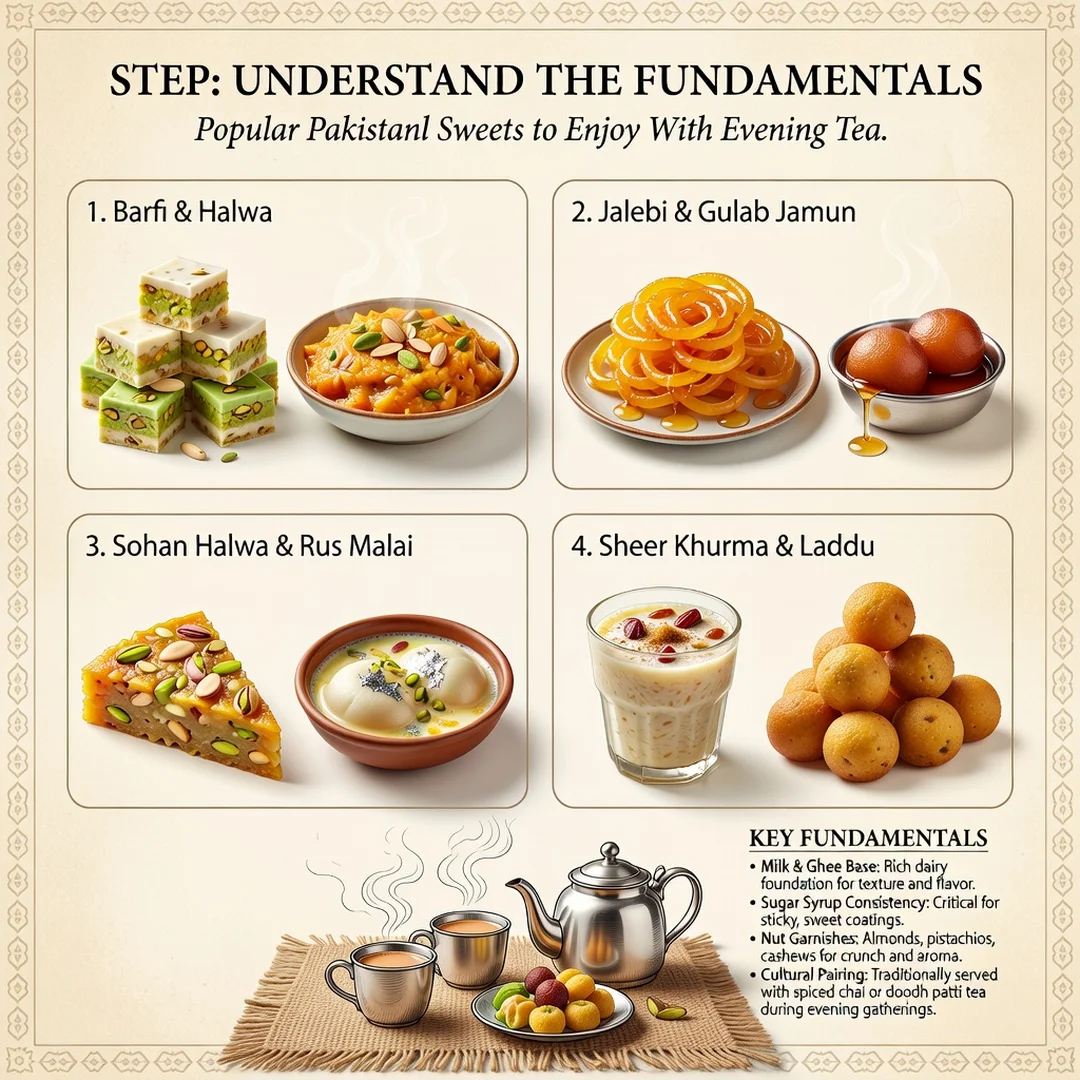
Step 1: Understand the fundamentals
Learn the basic categories of Pakistani sweets: milk-based, syrup-soaked, flour-based, and nut-based. Knowing which group a sweet belongs to tells you how sweet it is and how it should be stored and served.
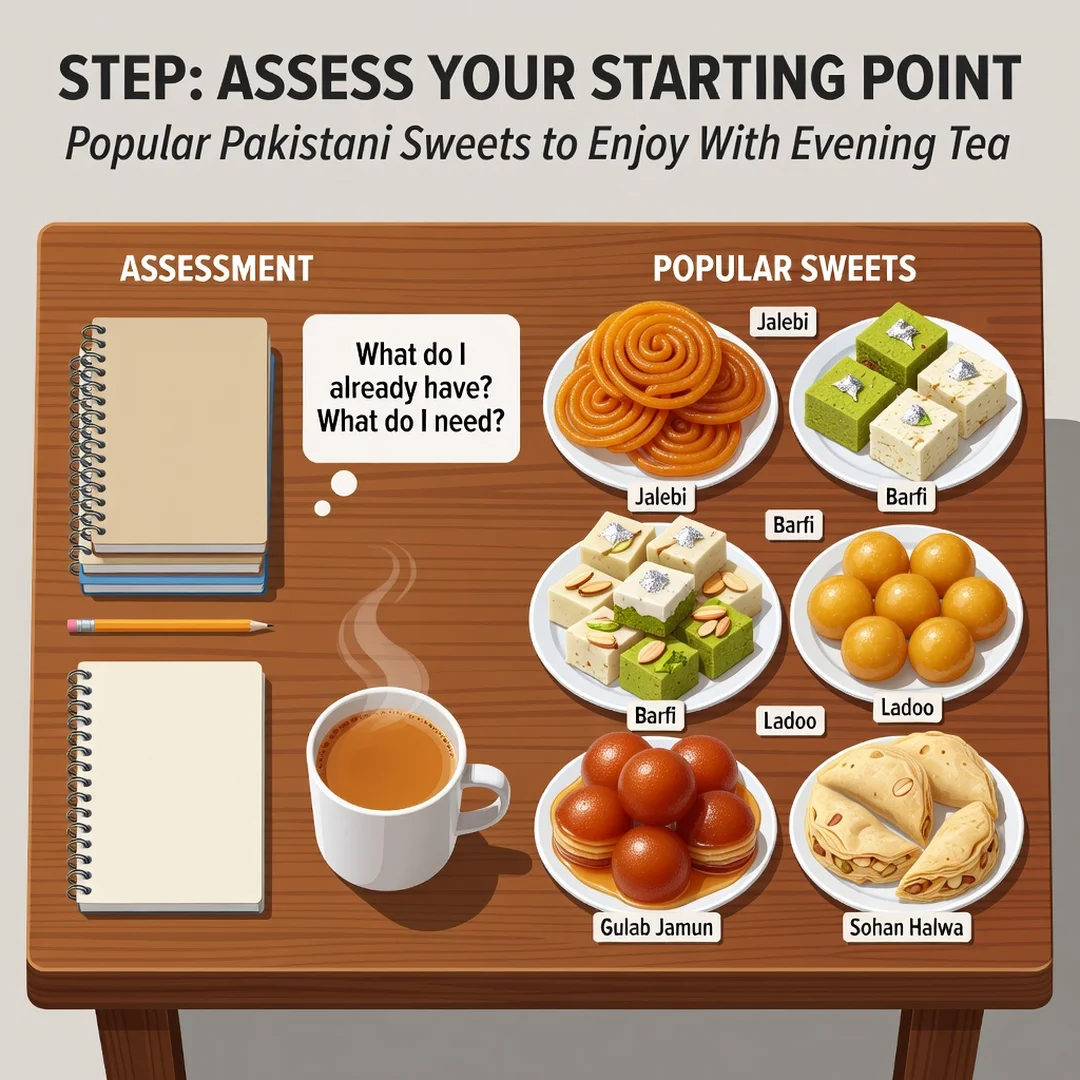
Step 2: Assess your starting point
Consider your tea habits. Do you drink strong karak chai, light green tea, or something in between? Also think about your guests, the occasion, and how much time you have. A weekday cup for two needs a different approach than a festive gathering of ten.
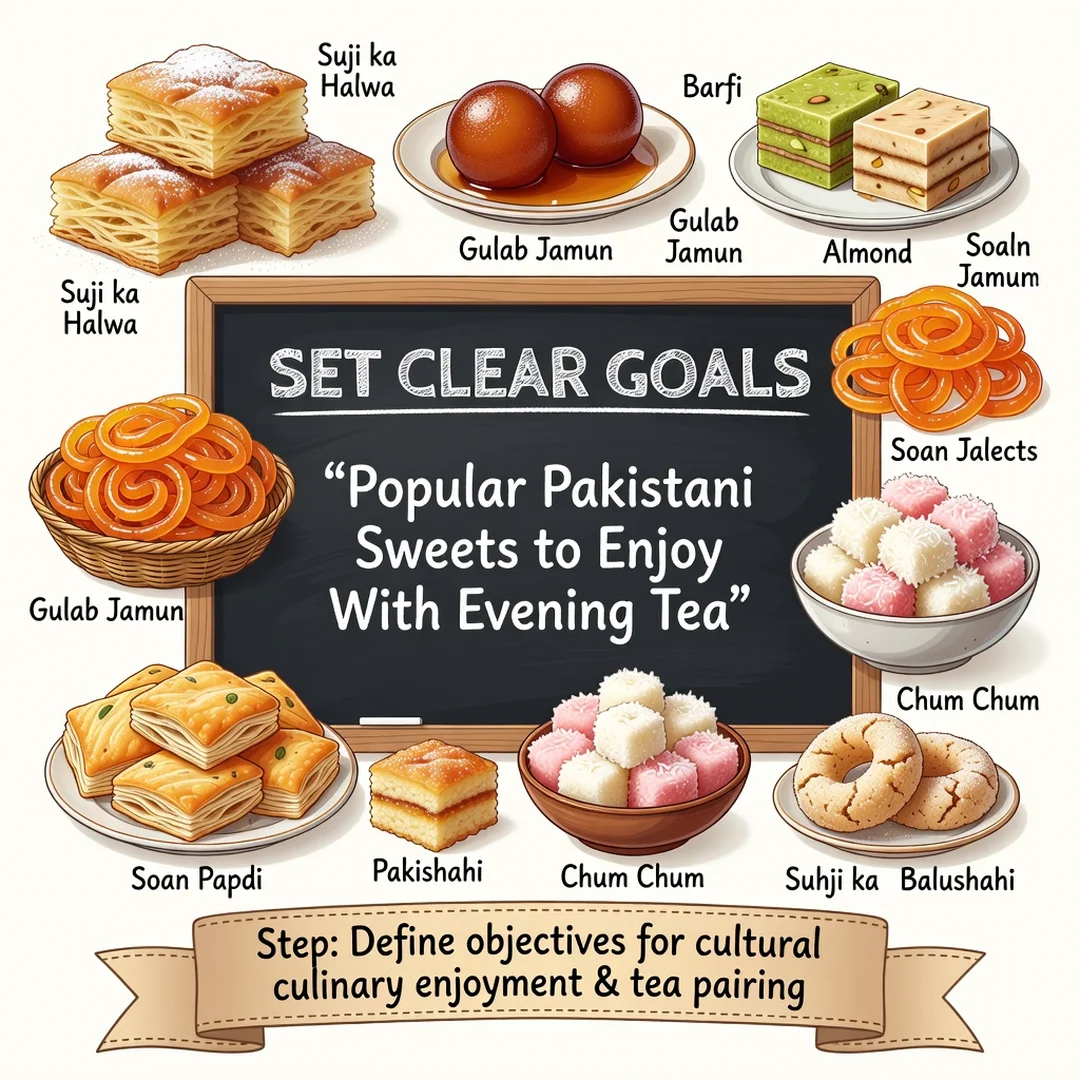
Step 3: Set clear goals
Decide what you want from the experience. Perhaps you want a light daily treat, a traditional spread for guests, or a healthier option with less sugar. Clear goals determine which sweets you choose and how many you serve.
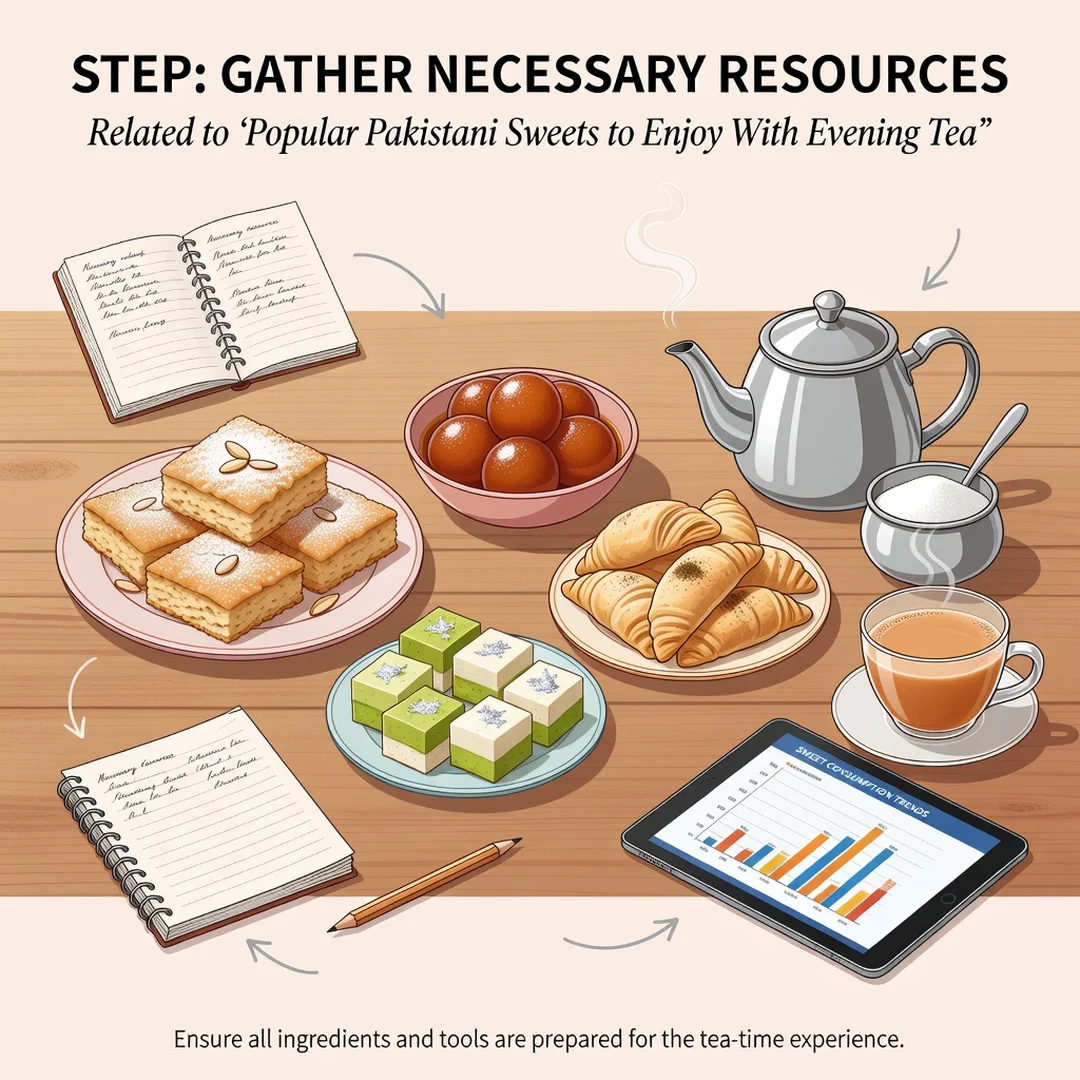
Step 4: Gather necessary resources
Find a reliable mithai shop or, if you prefer, gather ingredients to make sweets at home. You will need a clean serving tray, small plates, and storage containers. For homemade sweets, ensure you have ghee, sugar, milk powder, cardamom, and nuts on hand.
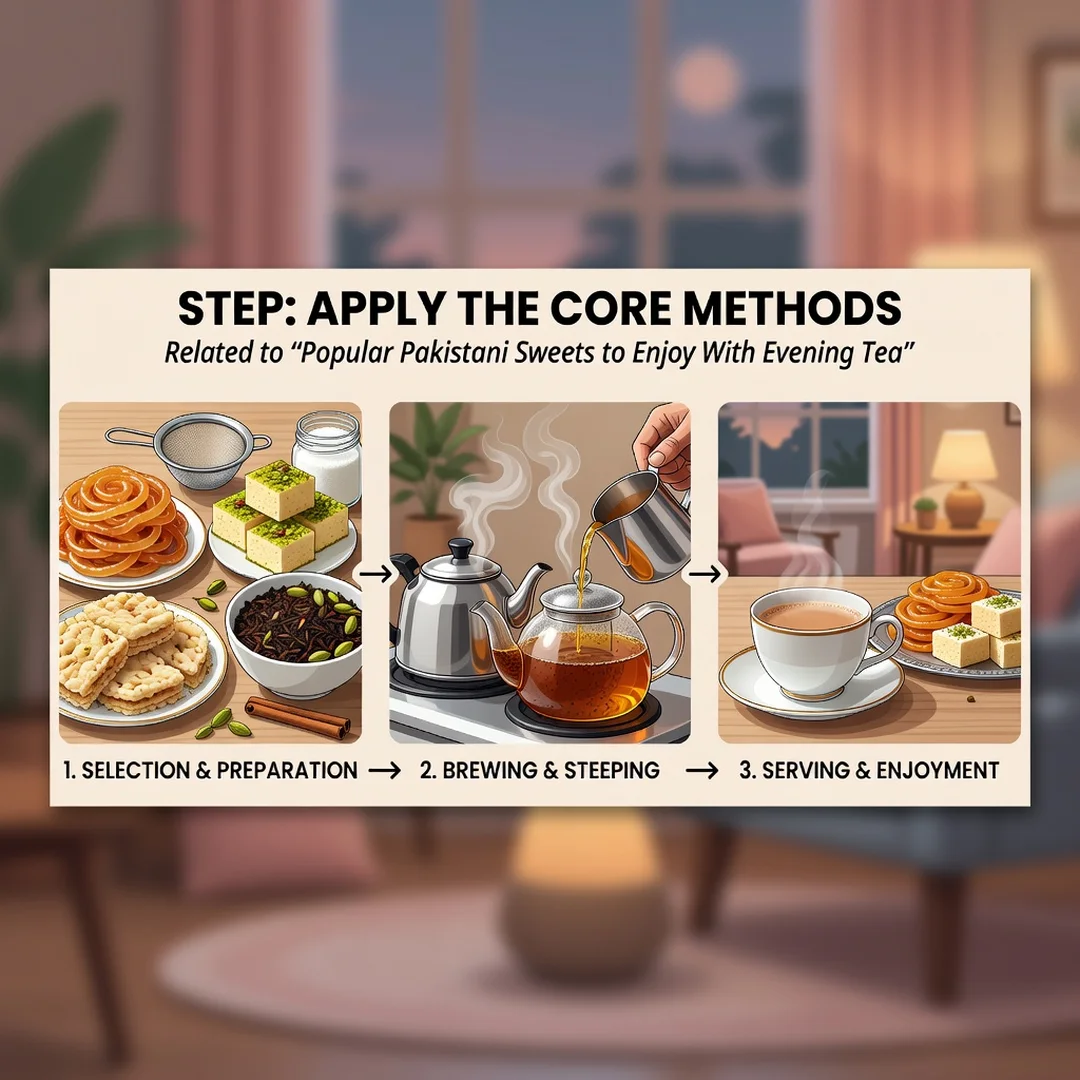
Step 5: Apply the core methods
Choose two or three sweets from different categories. Brew your tea to suit the sweetness level of the mithai. Serve small portions, arrange them attractively, and enjoy the combination. Adjust based on feedback, and repeat what works.
FAQ
What should I know about Popular Pakistani Sweets to Enjoy with Evening Tea?
The most important thing to know is that pairing matters. Pakistani sweets vary widely in sweetness, texture, and richness. A syrupy sweet like gulab jamun needs a plain or lightly sweetened tea, while a dry, nutty sweet like patisa works well with a normal cup. Freshness also matters, especially for syrup-based sweets. Understanding these basics helps you make informed decisions and avoid an.
You now have a solid foundation for Popular Pakistani Sweets to Enjoy With Evening Tea. Apply the best practices above and revisit this guide as your needs evolve.