
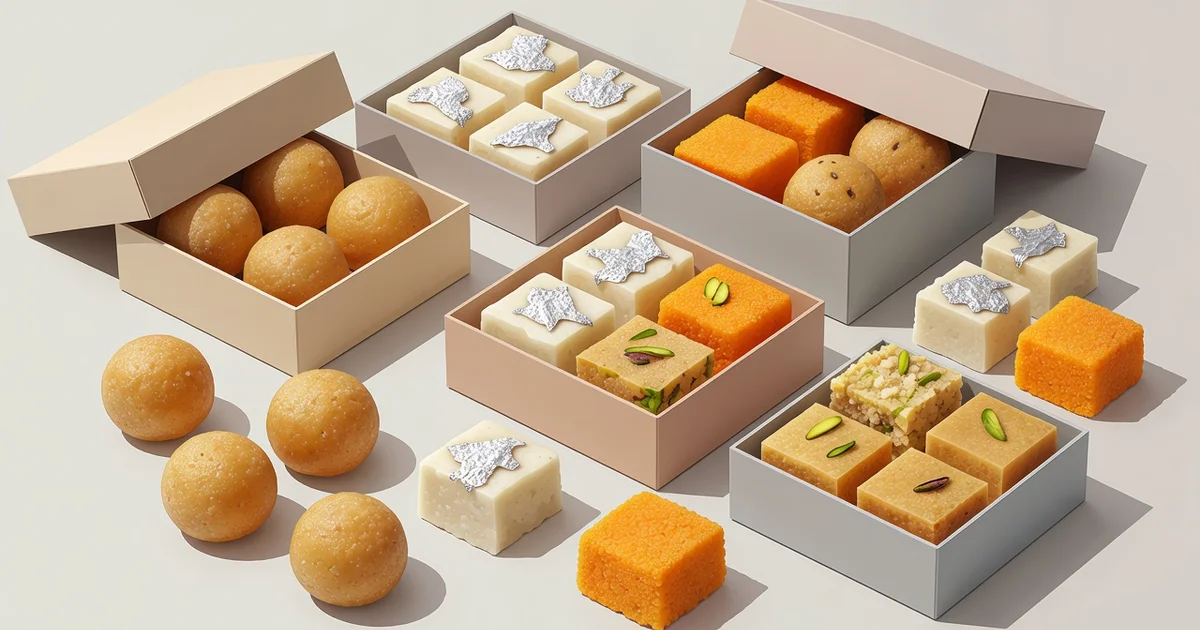
Choosing the right sweets for a celebration can feel overwhelming when dozens of options line the shelves. Understanding the different types of premium mithai for gift boxes helps you select treats that match the occasion, the recipient’s taste, and your budget, whether you are celebrating Diwali, a wedding, or a corporate milestone.
From rich kaju katli and buttery motichoor laddoo to elegant dry fruit rolls and rose-flavored gulab jamun, each variety brings its own texture and tradition. This guide breaks down the most popular choices so you can build a gift box that feels thoughtful, festive, and truly premium.
Introduction
Premium mithai gift boxes have become a meaningful way to celebrate weddings, festivals, corporate milestones, and personal achievements. Unlike a simple box of chocolates, a curated assortment of Indian sweets communicates tradition, care, and a sense of occasion. This article explores different types of premium mithai for gift boxes with clear, practical guidance, so you can choose the right mix, understand what drives quality, and present a gift that recipients remember.
The market for premium mithai has expanded rapidly. Artisanal sweet shops now offer single-origin ingredients, low-sugar alternatives, and designer packaging that rivals luxury confectionery from anywhere in the world. Yet the core appeal remains the same: mithai is shared, not just eaten. It marks joy, strengthens relationships, and carries regional identity. Understanding the fundamentals of different types of premium mithai for gift boxes helps you make informed decisions, whether you are ordering twenty boxes for a corporate event or one special box for a family celebration.
Key Concepts
Before comparing specific sweets, it helps to understand the building blocks that determine whether a mithai belongs in a premium gift box. Premium is not simply a higher price; it reflects ingredient quality, freshness, craftsmanship, and presentation.
Ingredient classes
- Milk-based (khoya/mawa): Sweets such as barfi, peda, and kalakand rely on slow-reduced milk. Premium versions use full-fat buffalo or cow milk and avoid artificial thickeners.
- Gram flour and lentil-based: Besan ladoo, motichoor ladoo, and Mysore pak fall here. The quality depends on fresh ghee, fine flour, and precise roasting.
- Nut and dry fruit-based: Kaju katli, badam barfi, and dry fruit rolls highlight cashew, almond, and pistachio. Premium boxes often feature whole nuts and visible layers.
- Grain and semolina-based: Sooji halwa, atta ladoo, and til (sesame) sweets offer rustic texture and longer shelf life.
- Fruit and vegetable-based: Gajar halwa, petha, and coconut barfi bring natural sweetness and regional character.
Sweeteners, fats, and shelf life
Premium mithai traditionally uses ghee, which contributes aroma and a clean mouthfeel, and sugar or jaggery for sweetness. Some modern ranges substitute dates, honey, or stevia for lower glycemic impact. Shelf life varies: dry sweets like kaju katli and besan ladoo keep for one to two weeks, while milk-based sweets such as rasmalai and sandesh are best consumed within two to four days and usually require refrigeration.
Presentation and customization
Gift box design matters as much as the sweets. Compartments prevent flavor transfer, food-grade liners protect freshness, and personalized tags or corporate logos add a professional touch. Premium boxes often include a mix of textures — soft, chewy, crunchy — and colors, arranged to look abundant without appearing cluttered.
Deep Dive
Now let us examine the most popular categories of premium mithai in detail, along with what to look for and how they behave in a gift box.
Milk-based classics
Kaju katli, despite its cashew base, is often grouped with premium milk sweets because of its smooth, melt-in-the-mouth texture. Pure kaju katli uses cashew powder and sugar with a thin silver leaf (varak). A good version bends slightly without cracking and has no gritty sugar crystals. Barfi comes in many forms — plain, chocolate, pista, or layered — and is a reliable box filler because it holds shape well.
Peda and kalakand are softer and richer. They suit festive boxes but need careful packing to avoid smudging. If you are shipping boxes, choose drier milk sweets or ask the vendor to use firm-setting recipes.
Nut and dry fruit specialties
Dry fruit mithai signals luxury. Badam barfi, pista roll, and anjeer (fig) barfi are dense, naturally sweet, and travel well. Anjeer barfi often contains no added sugar beyond the fruit, making it popular with health-conscious recipients. Look for visible nut pieces and a uniform color; dull or oily surfaces suggest stale ingredients.
Ladoo and besan varieties
Motichoor ladoo, besan ladoo, and boondi ladoo are staples in Indian gift boxes. Premium versions use saffron, cardamom, and pure ghee. Motichoor ladoo should be soft and moist but not dripping with syrup. Besan ladoo should smell nutty and roasted, never raw. These sweets are robust, stack neatly, and offer excellent value, which makes them ideal for larger corporate orders.
Regional and artisanal picks
Including a regional specialty elevates a box from ordinary to memorable. Consider Bengali sandesh or rasmalai, Odia chhena poda, Karnataka Mysore pak, or Rajasthani ghewar. Artisanal producers often make small batches with seasonal fruit, such as mango barfi in summer or gajar halwa in winter. These items add storytelling and variety, but confirm refrigeration and delivery timelines before ordering in bulk.
Modern and healthier options
Many premium brands now offer sugar-free or low-sugar mithai, millet-based ladoo, and baked treats. These appeal to recipients managing diabetes or fitness goals. Always check labels for sugar alcohols, which can cause digestive discomfort in large amounts, and taste-test before committing to a full order.
Best Practices
Reliable information and consistent habits lead to better long-term outcomes when selecting and gifting mithai. Use the following guidelines to avoid common mistakes.
- Balance textures and colors: Pair soft barfi with crunchy dry fruit rolls and chewy ladoo. Include at least three distinct colors for visual appeal.
- Respect dietary needs: Ask about nut allergies, lactose intolerance, and sugar restrictions. Offer a mixed box or clearly labeled alternatives.
- Prioritize freshness: Order close to the delivery date. Avoid boxes with a shelf life longer than two weeks unless they are vacuum-sealed dry sweets.
- Check packaging quality: Food-grade boxes, airtight liners, and individual wrapping prevent sweating and flavor mixing.
- Consider climate: In hot or humid weather, choose dry sweets over milk-based ones, or arrange insulated shipping.
- Support reputable vendors: Look for FSSAI certification, transparent ingredient lists, and customer reviews mentioning freshness.
For corporate gifting, standardize the box contents for consistency but allow a small premium tier for senior recipients. For weddings, match the box palette to the event decor and include a small card explaining each sweet.
Step-by-Step Guide
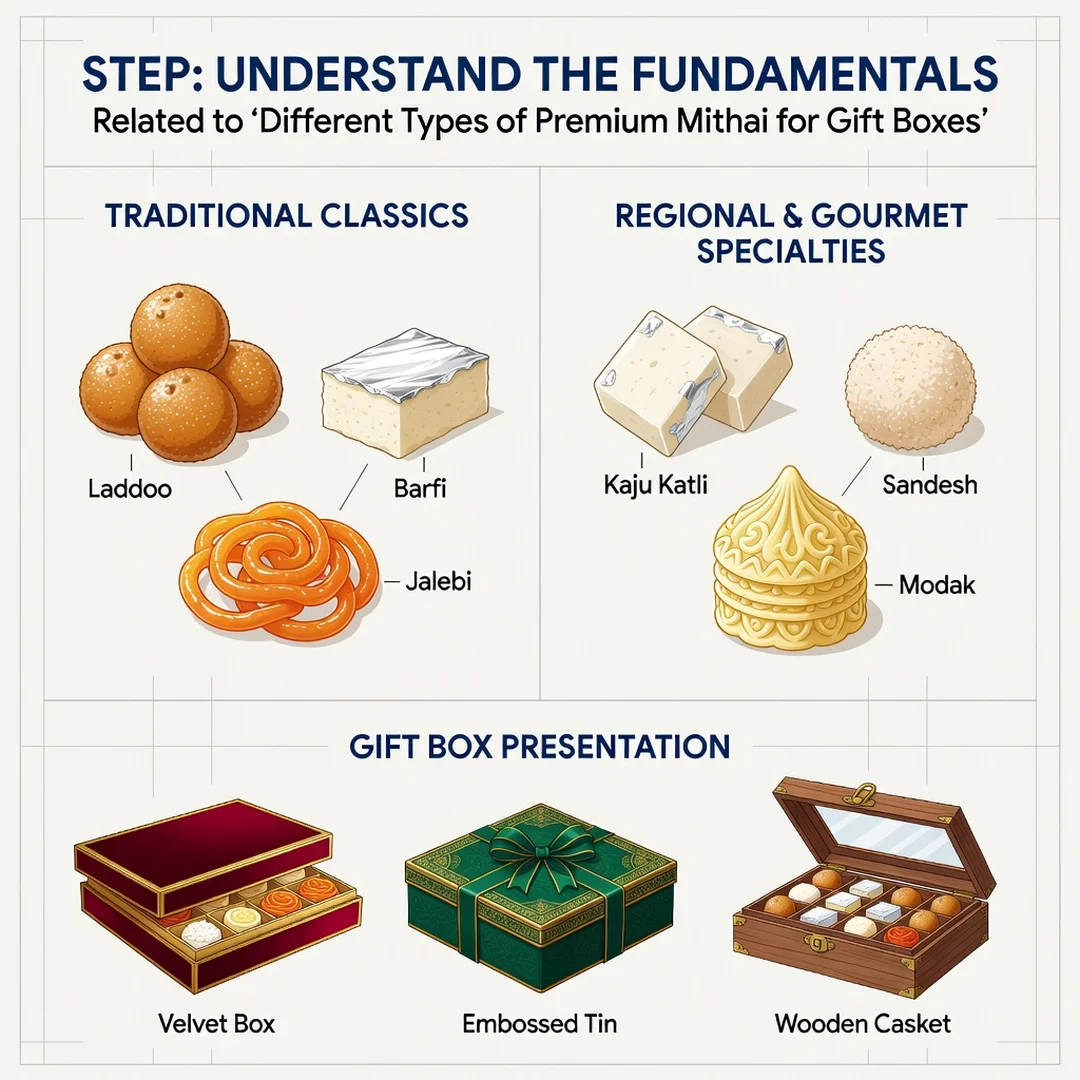
Step 1: Understand the fundamentals
Learn the main mithai categories, their ingredients, and their shelf lives. This knowledge prevents you from choosing a soft milk sweet for a long-distance shipment or a dry sweet for an occasion that calls for indulgence.
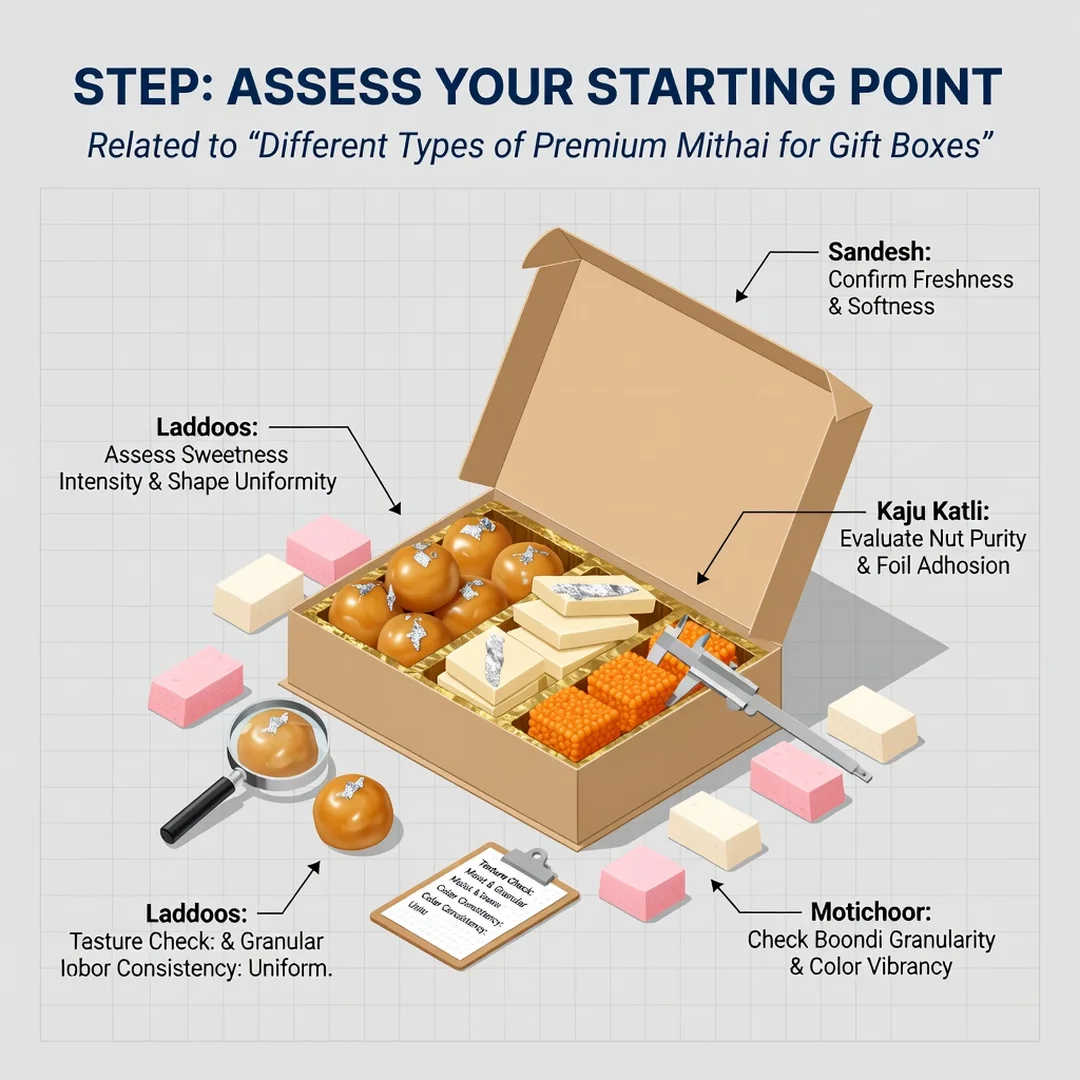
Step 2: Assess your starting point
Define your budget per box, the number of recipients, the occasion, and any dietary constraints. Note whether you need local delivery, courier shipping, or refrigerated transport. Understanding these limits narrows your vendor options immediately.
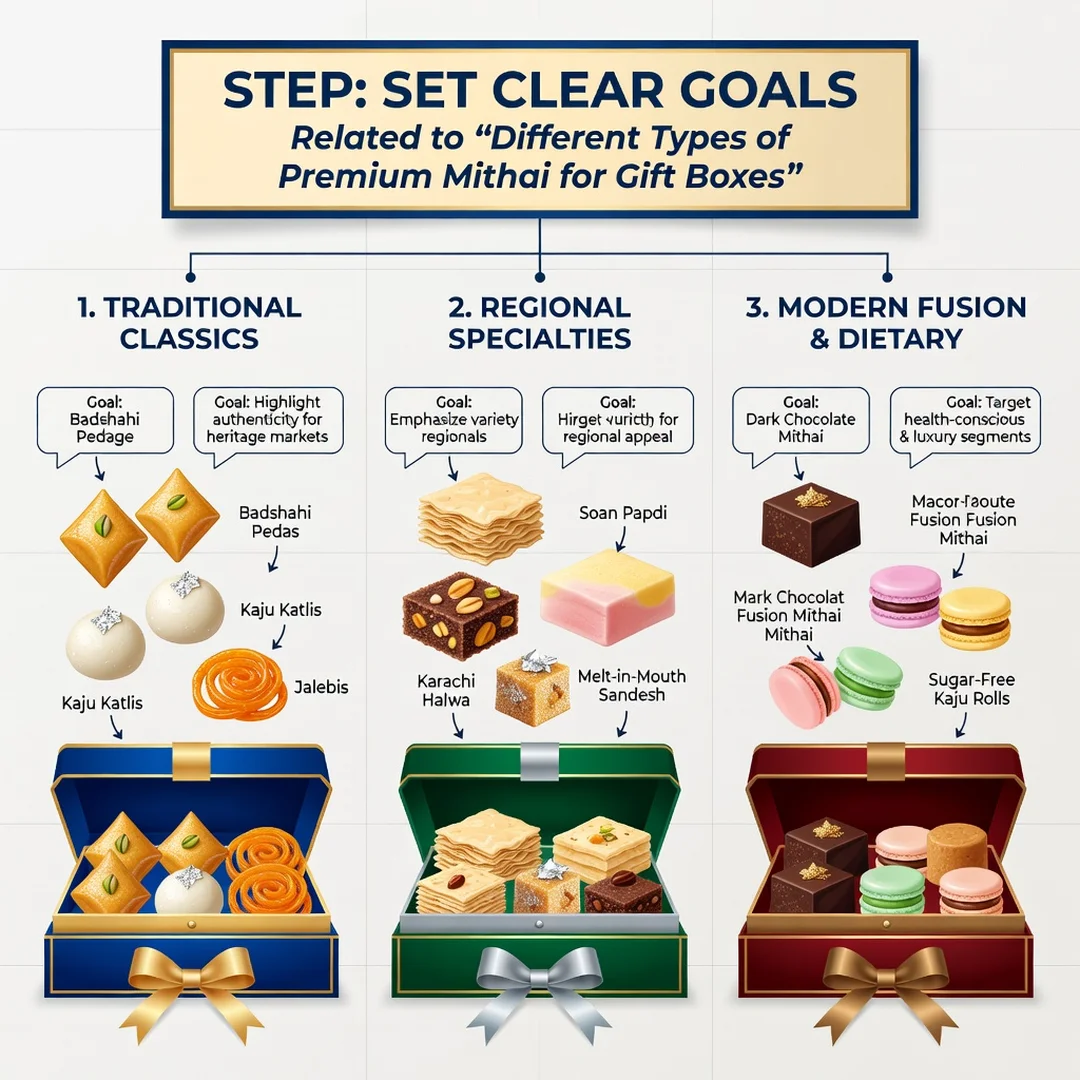
Step 3: Set clear goals
Decide what the gift should achieve: gratitude, brand recall, celebration, or condolence. A corporate box may prioritize neat packaging and a long shelf life; a festive family box may prioritize richness and variety. Write down two or three must-have qualities.
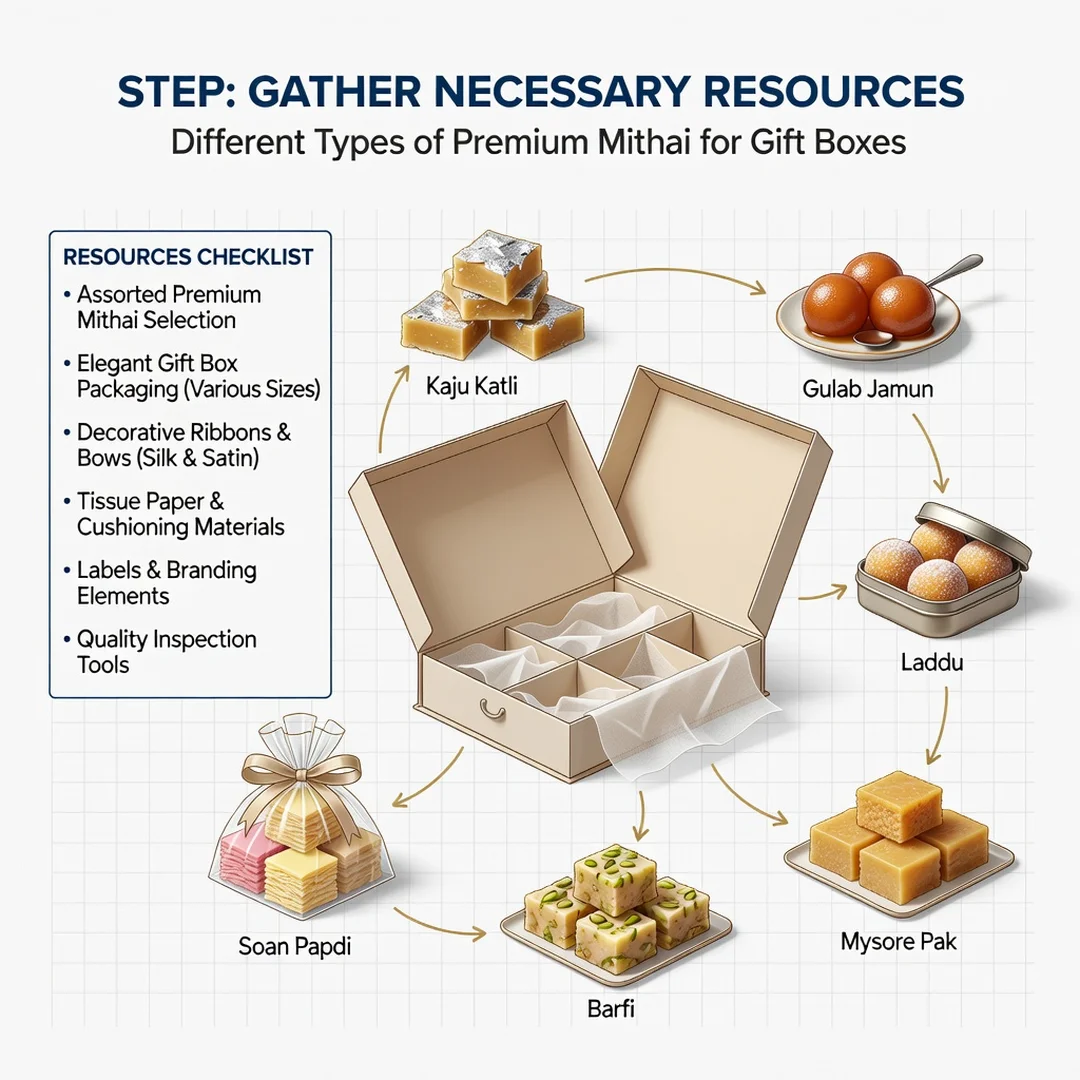
Step 4: Gather necessary resources
Collect vendor shortlists, price lists, certification details, and sample availability. Order small tasting boxes from two or three suppliers. Check reviews, delivery timelines, and return policies. For bulk orders, request a written quotation with packaging costs included.
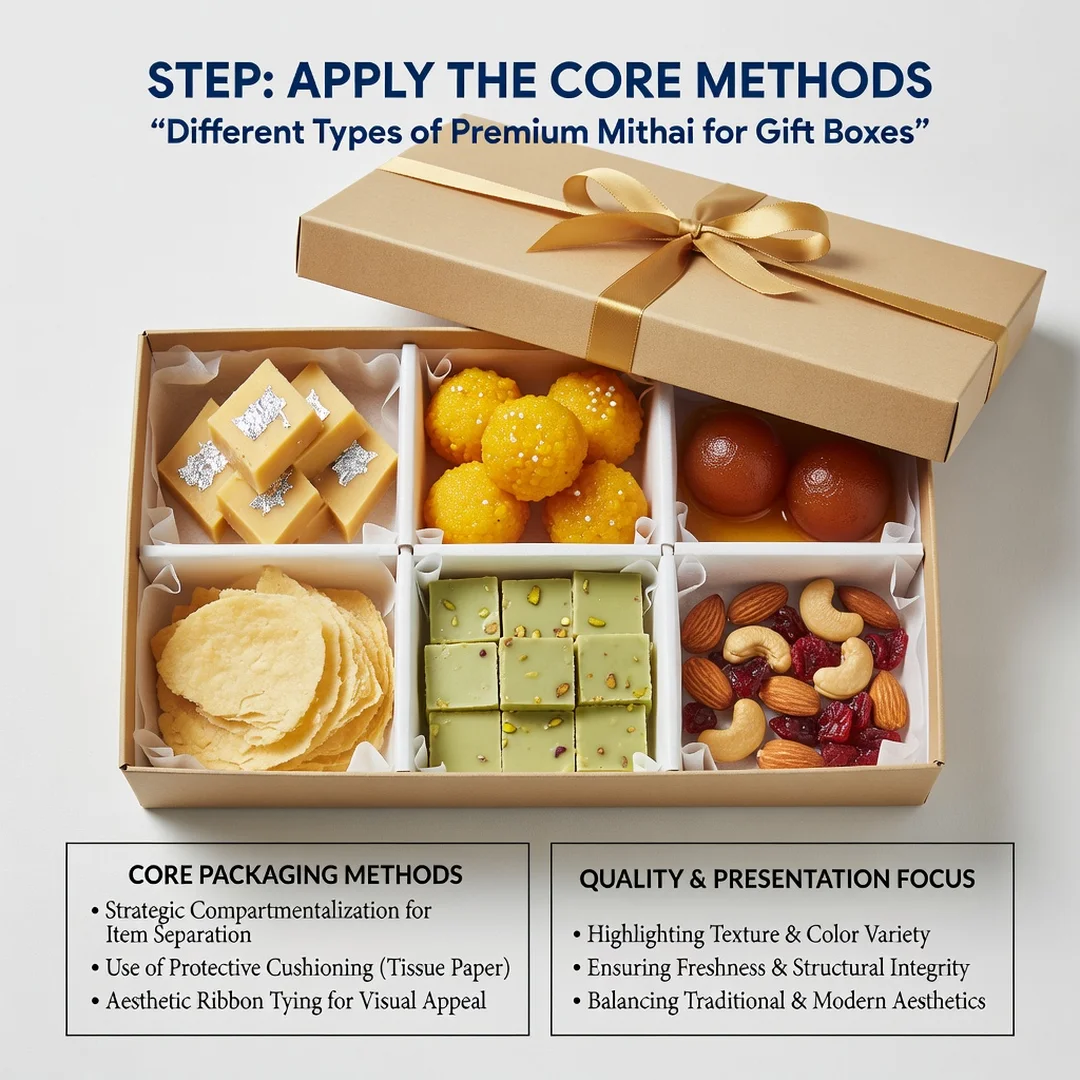
Step 5: Apply the core methods
Assemble your box using the balance principle: one or two milk-based sweets, one nut-based item, one ladoo variety, and one regional or modern specialty. Confirm packaging, labeling, and delivery logistics. After gifting, note feedback to refine your choices for the next order.
FAQ
What should I know about Different Types of Premium Mithai for Gift Boxes?
Focus on ingredient quality, freshness, texture balance, and packaging. Premium mithai uses pure ghee, real nuts, and no artificial fillers. The best gift boxes mix soft, crunchy, and chewy sweets, respect dietary needs, and are delivered as close to the event as possible. Always verify shelf life and storage requirements before ordering in bulk.
Who is this guide for?
This guide is for anyone planning to gift premium mithai — individuals celebrating weddings and festivals, corporate event planners, diaspora families sending sweets abroad, and small business owners creating branded gift hampers. No prior knowledge of Indian sweets is required; the steps and best practices apply whether you are ordering one box or one thousand.
Conclusion
Choosing premium mithai for gift boxes is a thoughtful process that rewards attention to detail. By understanding the main categories, balancing textures and dietary needs, and following a structured selection method, you can create a gift that feels both traditional and refined. Start with a small tasting order, prioritize.
You now have a solid foundation for Different Types of Premium Mithai for Gift Boxes. Apply the best practices above and revisit this guide as your needs evolve.