
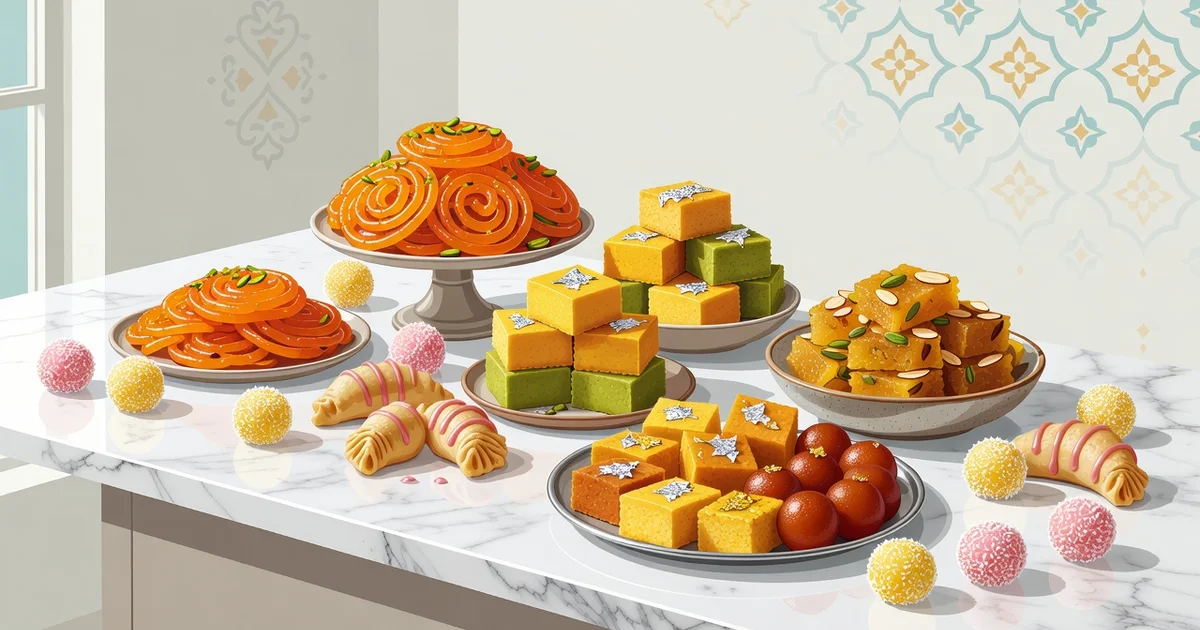
Pakistani weddings are as much about food as they are about family, colour, and tradition — and no celebration feels complete without a table full of sweets. From rich, syrup-soaked classics to delicate milk-based treats, the best traditional desserts for Pakistani wedding celebrations carry centuries of flavour and meaning.
In this guide, you’ll discover which desserts earn a place at mehndi, baraat, and walima events, what makes each one special, and practical tips for choosing and serving them. Whether you’re planning a wedding or simply love Pakistani cuisine, this list will help you pick crowd-pleasing sweets with confidence.
Introduction
Pakistani weddings are renowned for their vibrant colors, elaborate rituals, and, perhaps most importantly, their food. Among the many culinary delights, traditional desserts hold a place of special significance. Serving the right sweets is not just about satisfying a sweet tooth; it is a gesture of hospitality, a symbol of celebration, and a way to honor guests. This article explores the best traditional desserts for Pakistani wedding celebrations, offering clear, practical guidance to help you choose the perfect sweet endings for your event. Understanding the fundamentals of these desserts helps you make informed decisions that will delight your guests and respect cultural traditions. Reliable information and consistent habits in planning lead to better long-term outcomes, ensuring your wedding menu is both memorable and authentic.
Key Concepts
To navigate the world of Pakistani wedding desserts, it helps to understand a few core concepts that define this sweet tradition.
- Mithai (Sweets): This is the broad term for traditional South Asian sweets, typically made from ingredients like milk, sugar, ghee, nuts, and semolina. At weddings, mithai is often presented in elaborate boxes or on large platters.
- Regional Variations: Pakistan has diverse culinary regions. Punjabi weddings might favor heavier, milk-based sweets, while Sindhi celebrations could feature different textures and flavors. Understanding the regional background of the families involved can guide your choices.
- Ritual Significance: Certain desserts are tied to specific wedding events. For example, “Mithai” is exchanged during the engagement (Mangni), and “Kheer” (rice pudding) is often served at the Nikah or Walima.
- Presentation: The visual appeal of the dessert table is almost as important as the taste. Silver leaf (varq), crushed pistachios, and rose petals are common garnishes that add a touch of luxury.
- Dietary Considerations: Modern weddings often need to cater to guests with dietary restrictions, such as gluten-free, nut-free, or reduced-sugar needs, without compromising on tradition.
Deep Dive
Let’s delve into the specific desserts that are most cherished at Pakistani weddings, exploring their ingredients, significance, and why they are favorites.
Gulab Jamun
These deep-fried dough balls made from milk solids (khoya) are soaked in a warm, cardamom-infused sugar syrup. They are a universal favorite, loved for their soft, melt-in-the-mouth texture and rich sweetness. Their name comes from the Persian words “gul” (flower) and “ab” (water), referring to the rosewater often used in the syrup. At weddings, they are a staple on the dessert buffet and are often served warm.
Barfi
Barfi is a dense, milk-based fudge that can be flavored and colored in countless ways. Popular varieties include plain (with cardamom), pista (pistachio), and chocolate. Its name comes from the Persian word “barf” meaning snow, referring to its white color. Barfi is often cut into diamond or square shapes and decorated with edible silver leaf. It is a versatile dessert that can be customized to match the wedding’s color scheme.
Jalebi
Jalebi is a spiral-shaped, deep-fried sweet made from a fermented batter of flour and yogurt, soaked in sugar syrup. It is crispy on the outside and juicy on the inside. While available year-round, it is a festive favorite, often served at weddings and Eid celebrations. Its bright orange color adds a pop of vibrancy to the dessert table.
Kheer
Kheer is a creamy rice pudding made by slow-cooking rice with milk, sugar, and flavorings like cardamom, saffron, and nuts. It is one of the oldest and most traditional desserts in South Asia. At weddings, it is often served in individual clay pots (matkas) or large communal bowls. Its soothing, mild sweetness provides a perfect contrast to richer sweets.
Ras Malai
Ras Malai consists of soft, spongy paneer (cottage cheese) discs soaked in a creamy, saffron-infused milk. It is a more decadent dessert, often reserved for special occasions like weddings. The name “ras” means juice and “malai” means cream, perfectly describing its luscious texture. It is typically garnished with slivered pistachios and almonds.
Ladoo
Ladoo are round, sweet balls made from various ingredients like gram flour (besan), semolina (sooji), or wheat flour, combined with ghee and sugar. They are often made for celebratory occasions and distributed as prasad (blessed food) in religious ceremonies. At weddings, motichoor ladoo (made from tiny gram flour pearls) is particularly popular.
Halwa
Halwa is a dense, pudding-like dessert made from ingredients like semolina, carrots, or lentils, cooked with ghee, sugar, and nuts. Gajar ka halwa (carrot halwa) is a winter favorite, while sooji ka halwa (semolina halwa) is common year-round. It is often served warm and is a comforting, hearty end to a meal.
Best Practices
To ensure your wedding dessert selection is a success, consider these best practices.
- Balance Flavors and Textures: Offer a mix of creamy, crunchy, syrupy, and dense desserts. Pair rich barfi with light kheer, and crispy jalebi with soft gulab jamun.
- Consider the Season: Serve warm desserts like halwa and gulab jamun in winter. In summer, opt for chilled kheer or ras malai.
- Cater to Dietary Needs: Clearly label desserts that are gluten-free, nut-free, or vegan. Provide alternatives like fruit-based desserts or dairy-free versions of classics.
- Quality Over Quantity: It is better to offer a few high-quality, authentic desserts than a large number of mediocre ones. Source from reputable halwais (sweet makers).
- Presentation Matters: Use elegant platters, tiered stands, and garnishes like rose petals and silver leaf to elevate the display. Consider individual portions for hygiene and ease.
- Plan for Timing: Serve heavier desserts after the main course. Lighter sweets and mithai can be offered throughout the event or as favors.
- Incorporate Family Traditions: If there is a specific dessert that holds meaning for either family, include it. This personal touch is always appreciated.
Step-by-Step Guide to Selecting Wedding Desserts
Follow this step-by-step approach to curate the perfect dessert menu for your Pakistani wedding celebration.
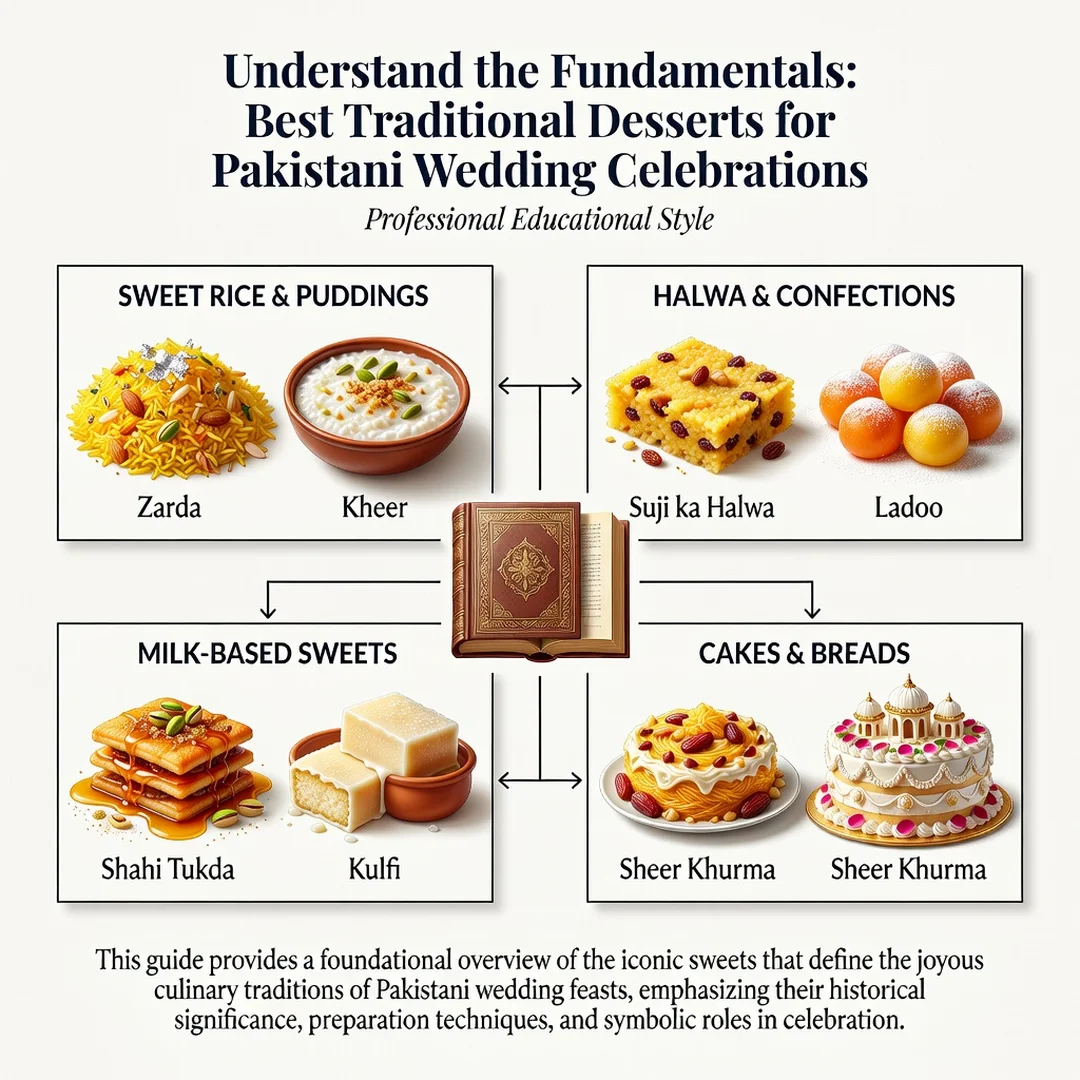
Step 1: Understand the fundamentals
Begin by researching the traditional desserts common to Pakistani weddings. Understand the difference between mithai and other desserts, and learn about the regional and ritual significance of each. This foundational knowledge will help you communicate effectively with caterers and make authentic choices.
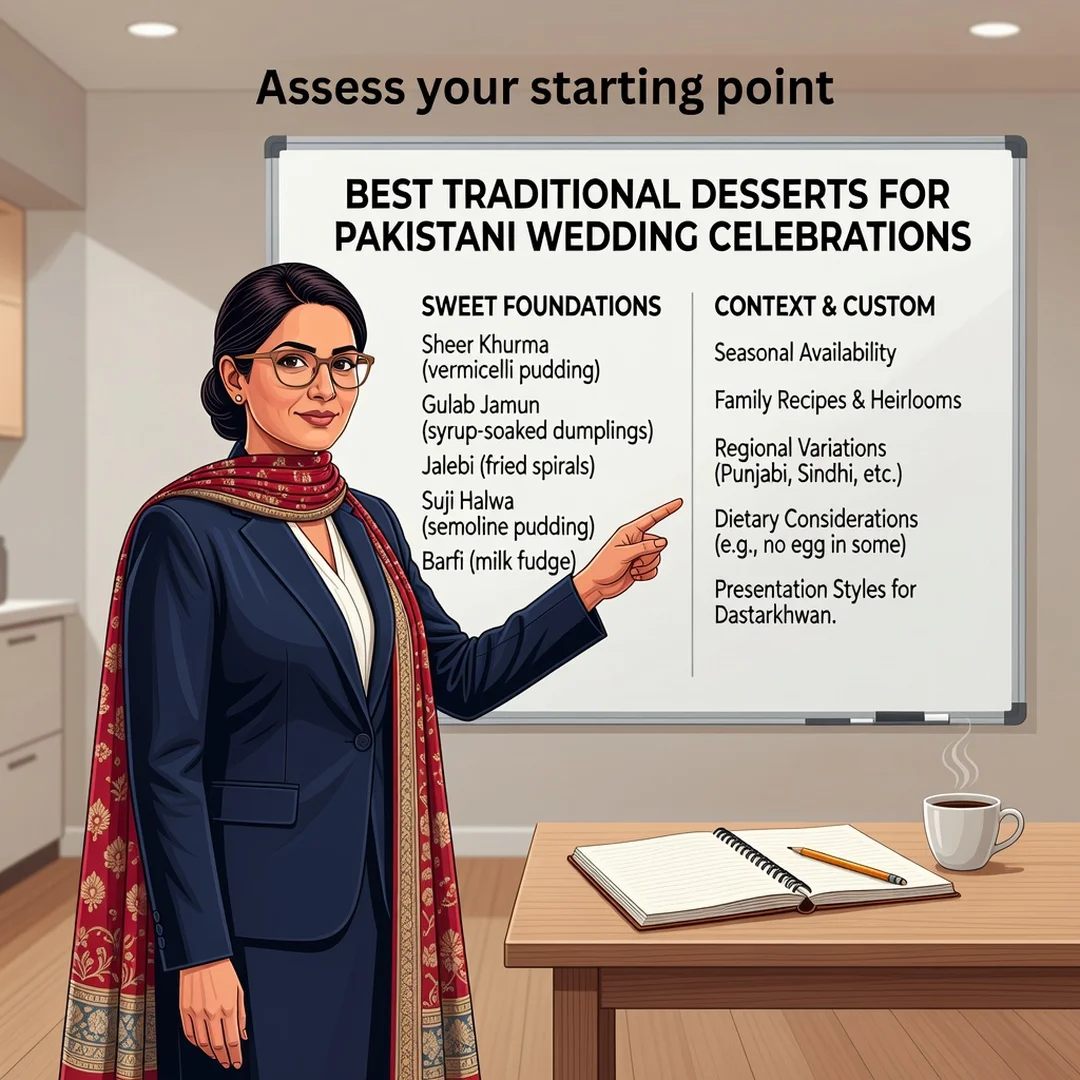
Step 2: Assess your starting point
Evaluate your wedding plan. What is your budget for desserts? How many guests are you expecting? What is the venue’s capacity for serving and storing desserts? Are there any cultural or family expectations you must meet? Knowing your constraints and priorities will narrow down your options.
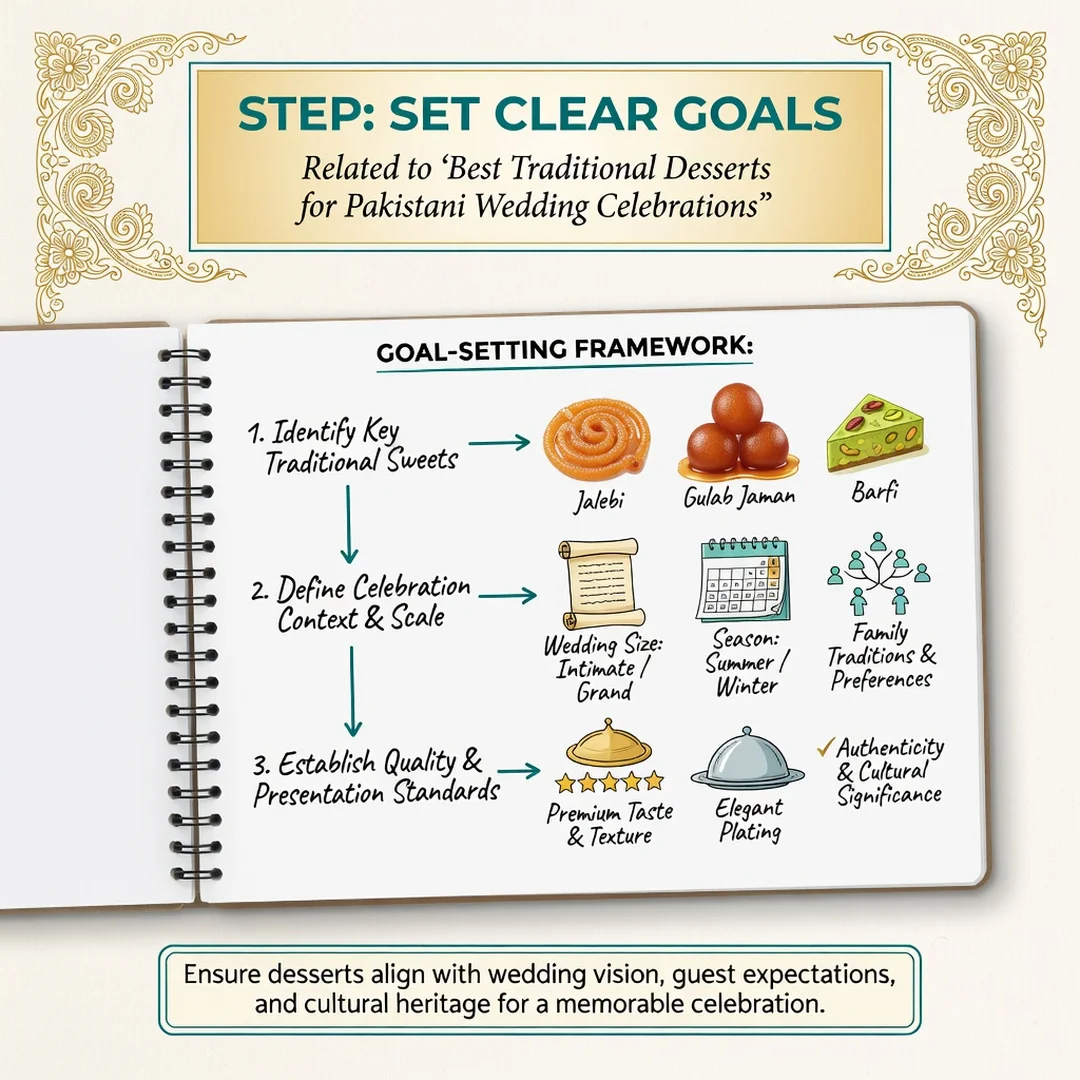
Step 3: Set clear goals
Define what you want the dessert experience to achieve. Do you want to impress with luxury and variety? Or focus on a few sentimental family recipes? Your goals might include: “Offer at least three traditional desserts,” “Include one nut-free option,” and “Stay within budget.” Clear goals guide your decisions.
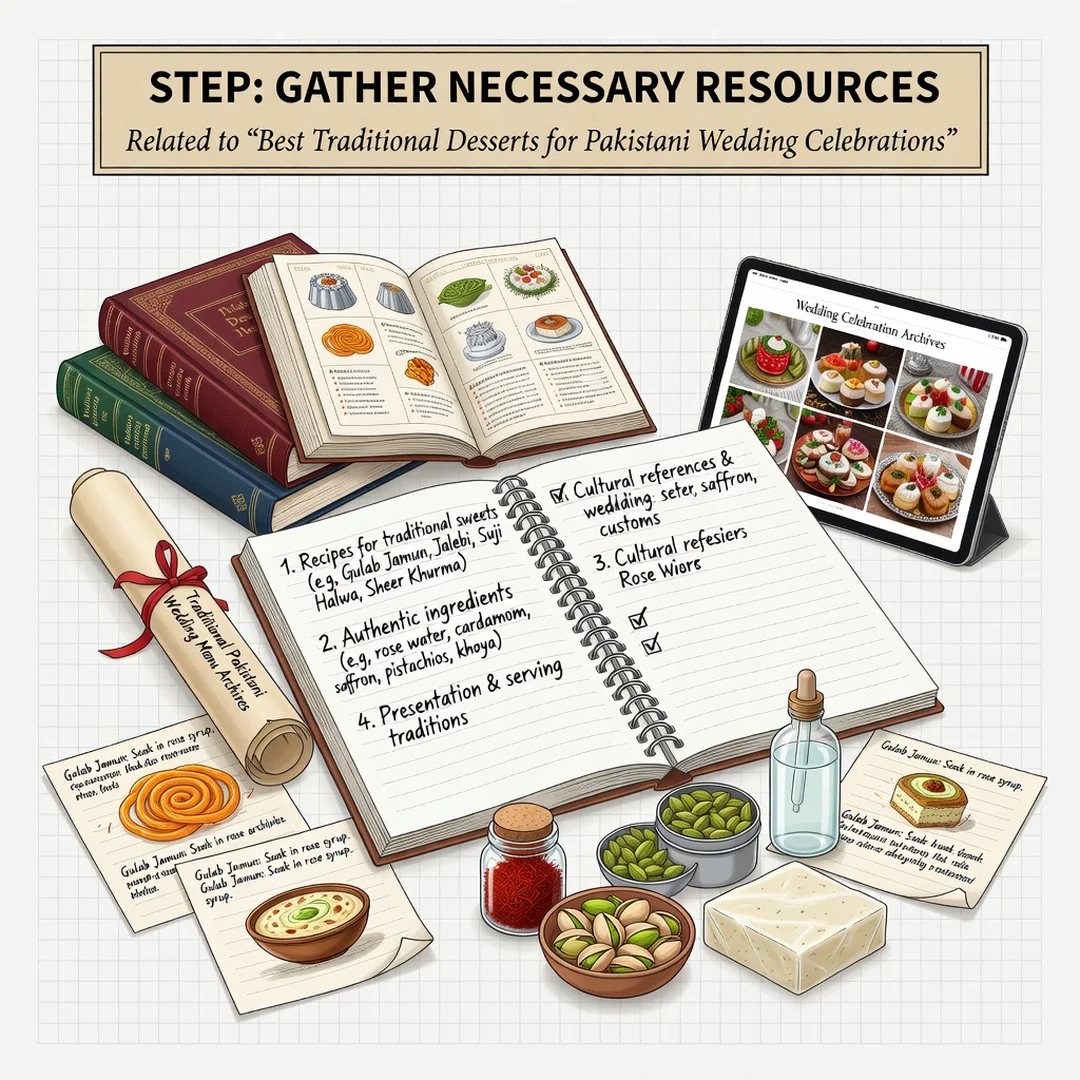
Step 4: Gather necessary resources
Identify reliable sources for your desserts. This could be a renowned local halwai, a catering company specializing in Pakistani cuisine, or family members who can prepare traditional sweets. Collect quotes, taste samples, and check reviews. Also, gather resources for presentation, such as platters, serving utensils, and labels for dietary information.
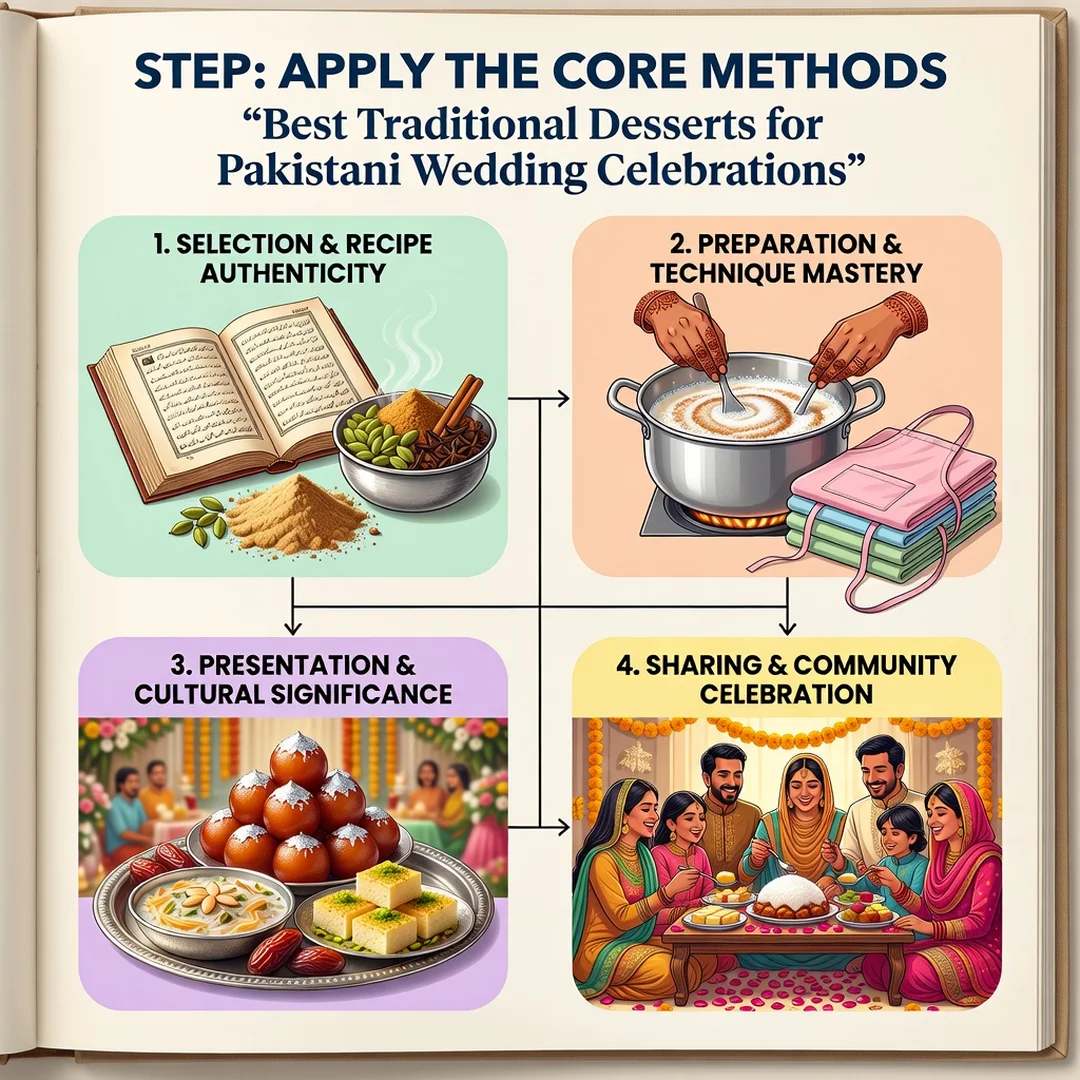
Step 5: Apply the core methods
Now, put your plan into action. Finalize your dessert list based on your research, budget, and goals. Place orders well in advance, especially during wedding season. Confirm delivery timings and setup requirements with your vendors. On the wedding day, ensure the desserts are displayed attractively and served at the right temperature. Monitor guest feedback and adjust for future events if needed.
FAQ
What should I know about Best Traditional Desserts for Pakistani Wedding Celebrations?
You should know that these desserts are more than just food; they are a cultural statement. Key points include the importance of mithai, the role of regional variations, the need to balance flavors and textures, and the significance of presentation. Understanding dietary restrictions and planning for proper serving temperatures are also crucial for success.
Who is this guide for?
This guide is for anyone involved in planning a Pakistani wedding, including the bride and groom, their families, wedding planners, and caterers. It is also for those who simply want to learn more about the rich culinary traditions of Pakistani weddings. Whether you are hosting a large event or an intimate gathering, the principles here will help you make informed choices.
Conclusion
You now have a solid foundation for Best Traditional Desserts for Pakistani Wedding Celebrations. Apply the best practices above and revisit this guide as your needs evolve.