
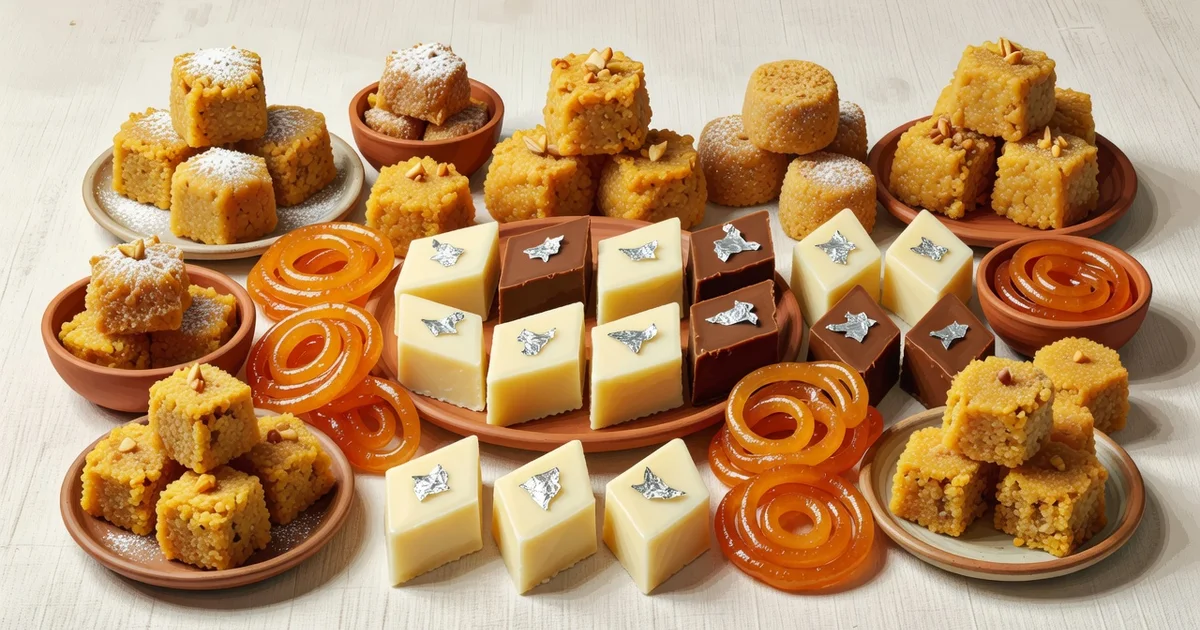
Traditional desi ghee sweets hold a special place in every celebration, from festive gatherings to everyday indulgences. Their rich aroma and melt-in-the-mouth texture come from one key ingredient: pure desi ghee, which gives each mithai its distinctive flavor and lasting appeal.
This complete guide to traditional desi ghee sweets walks you through popular varieties, essential ingredients, and simple preparation tips. Whether you are a beginner or a seasoned home cook, you will find practical advice to make authentic, delicious sweets with confidence.
Introduction
Desi ghee sweets occupy a special place in South Asian kitchens, festivals, and family traditions. From laddoos and halwa to barfi and gulab jamun, the richness of pure clarified butter transforms simple ingredients into something memorable. This article explores A Complete Guide to Traditional Desi Ghee Sweets with clear, practical guidance so you can enjoy these treats with confidence, whether you are a home cook or simply a curious eater.
Many people love the taste of ghee-based mithai but feel unsure about how to choose it, store it, or make it at home. The good news is that traditional methods are surprisingly forgiving once you understand a few core principles. Understanding the fundamentals of A Complete Guide to Traditional Desi Ghee Sweets helps you make informed decisions about ingredients, preparation, and portion sizes.
This guide is not about complicated restaurant techniques. It focuses on what actually works in an ordinary kitchen, with ingredients you can find at most grocery stores or Indian markets. By the end, you should feel comfortable selecting quality ghee, preparing classic sweets, and knowing when to adjust a recipe to suit your taste or dietary needs.
Key Concepts
Before diving into recipes and techniques, it helps to grasp a few concepts that appear again and again in traditional mithai making.
- Desi ghee: Clarified butter made from cow or buffalo milk, simmered until water evaporates and milk solids separate. It has a nutty aroma and a high smoke point, which makes it ideal for frying and roasting.
- Mithai: A broad term for Indian sweets, often categorized by texture — soft (halwa, peda), firm (barfi, katli), fried (jalebi, balushahi), or syrup-soaked (gulab jamun, rasgulla).
- Binding agents: Ingredients like khoya (reduced milk), besan (gram flour), semolina, or coconut that hold a sweet together and absorb ghee.
- Temperature control: Ghee behaves differently at low, medium, and high heat. Most sweets require gentle roasting rather than aggressive frying.
- Shelf life: Ghee-based sweets generally keep longer than those made with oil or butter, but they still need proper storage.
These fundamentals matter because they explain why two people can follow the same recipe and get different results. Small differences in ghee quality, pan thickness, or room temperature can change the final texture. Reliable information and consistent habits lead to better long-term outcomes, both in cooking and in how you shop for sweets.
Deep Dive
Traditional desi ghee sweets vary widely across regions, but they share certain characteristics. They tend to be rich, aromatic, and moderately sweet rather than cloyingly sugary. The ghee itself contributes flavor, not just fat, so the quality of your ghee directly affects the final product.
Common Categories of Ghee Sweets
- Flour-based: Besan laddoo, atta halwa, and sooji halwa rely on roasting flour in ghee until it darkens and releases a toasted aroma.
- Milk-based: Barfi, peda, and kalakand use khoya or condensed milk, with ghee added for smoothness and richness.
- Nut and seed-based: Chikki, gond laddoo, and dry fruit barfi use ghee to bind nuts and seeds into dense, energy-rich blocks.
- Fried and syrup-soaked: Gulab jamun, jalebi, and imarti are fried in ghee and then soaked in sugar syrup, giving them a soft, juicy interior.
Why Ghee Matters in These Recipes
Ghee performs several jobs at once. It carries fat-soluble flavors, prevents ingredients from sticking, and creates a crisp or flaky texture when used in the right proportion. Unlike butter, it does not burn easily, so you can roast besan or semolina for several minutes without scorching. Unlike oil, it solidifies at room temperature, which helps firm sweets set properly.
Health and Dietary Considerations
Ghee is calorie-dense, so traditional sweets are best enjoyed in small portions, especially if you are managing weight or cholesterol. Some people tolerate ghee better than butter because the milk solids are removed. If you follow a lactose-free diet, check labels carefully — ghee is usually very low in lactose but not always completely free of it.
Best Practices
Following a few habits will improve your results and reduce waste.
- Buy fresh ghee: Look for a nutty smell and a clean golden color. Avoid ghee that smells rancid or looks cloudy at room temperature.
- Use low to medium heat: High heat browns flour too quickly and leaves a bitter taste.
- Roast patiently: Besan and semolina need time to release their aroma. Stir continuously and watch for a color change.
- Measure accurately: Ghee, sugar, and flour ratios matter. Adding extra ghee can make sweets greasy; too little makes them dry and crumbly.
- Cool before shaping: Most mixtures need to cool slightly before you form laddoos or press barfi, or they will stick to your hands.
- Store properly: Keep sweets in an airtight container away from moisture. Refrigerate if your kitchen is warm or humid.
- Make small batches: Freshness matters. A small batch eaten within a week usually tastes better than a large batch stored for a month.
Consistency is more important than perfection. If a batch turns out slightly soft or slightly dry, note what you changed and adjust next time. Reliable information and consistent habits lead to better long-term outcomes in the kitchen just as they do elsewhere.
Step-by-Step Guide
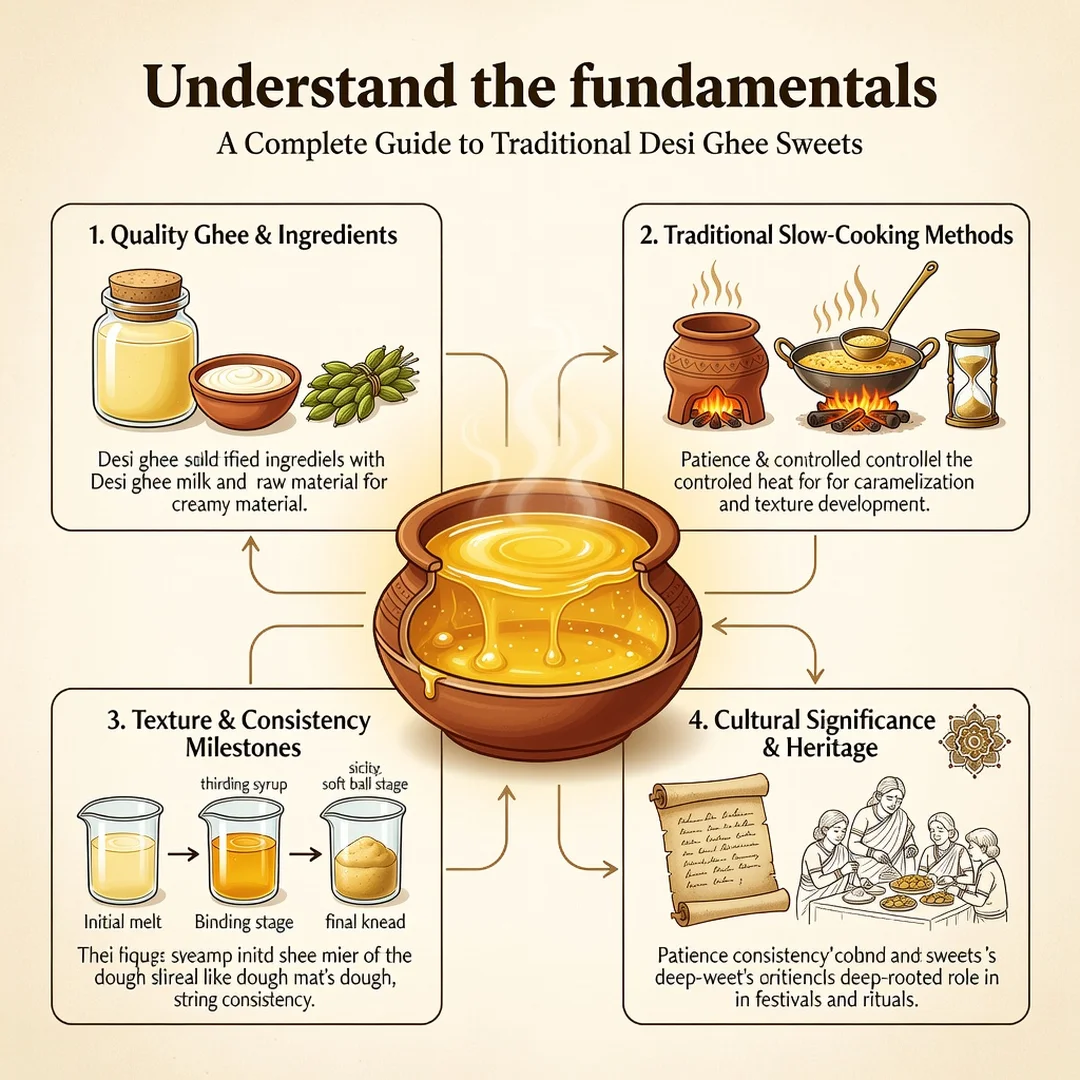
Step 1: Understand the fundamentals
Start by learning what ghee is and how it behaves. Read labels, compare brands, and taste a small amount plain. Notice the aroma, texture, and melting point. This baseline knowledge helps you judge recipes and spot instructions that may not suit your ingredients.
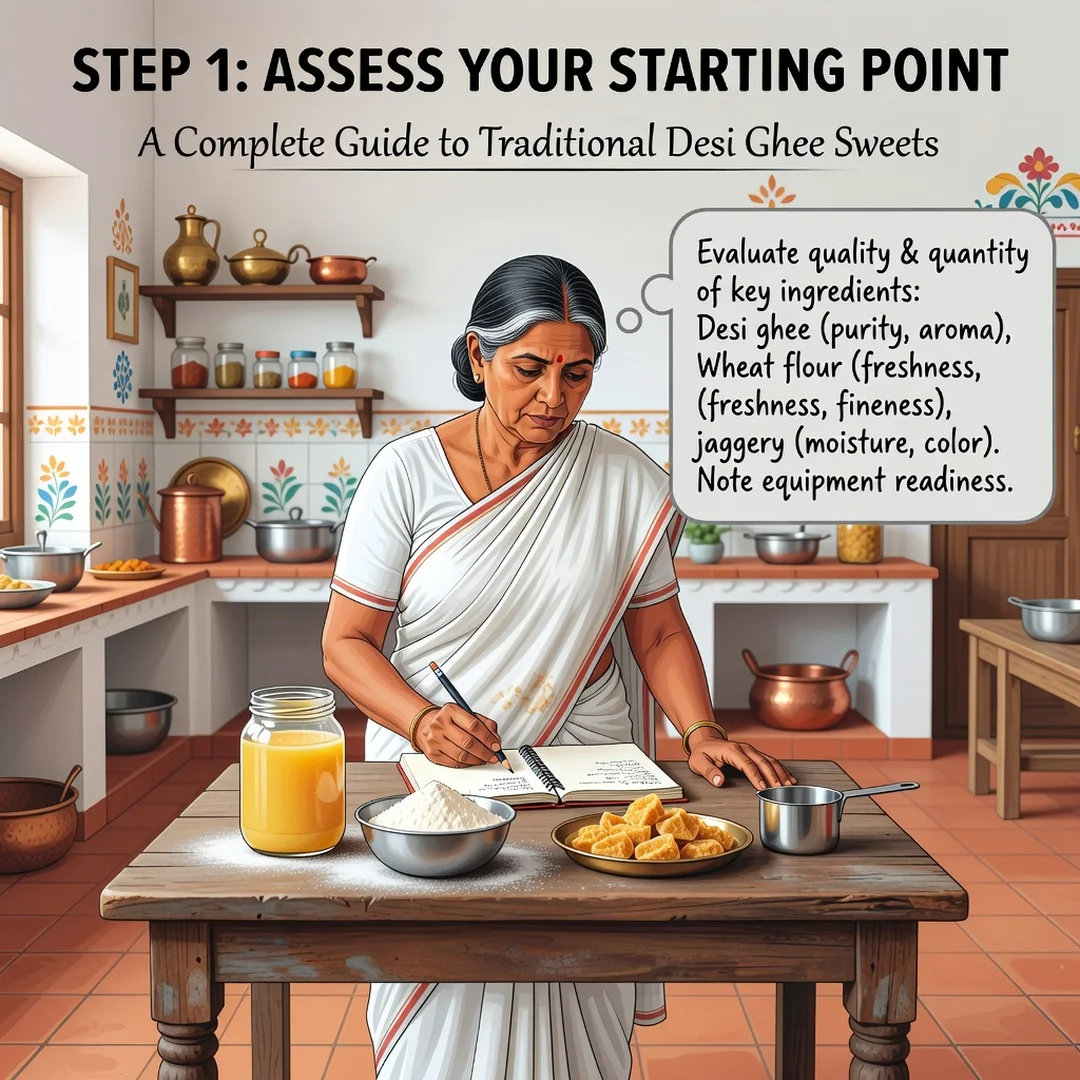
Step 2: Assess your starting point
Take stock of your kitchen. Do you have a heavy-bottomed pan, a wooden spoon, and airtight containers? What ingredients are already in your pantry — besan, semolina, sugar, cardamom, nuts? Knowing your starting point prevents mid-recipe surprises and helps you choose a sweet that matches your equipment.

Step 3: Set clear goals
Decide what you want from this guide. Are you making sweets for a festival, trying to reduce store-bought sugar, or learning a family recipe? Clear goals shape your choices. If you want quick results, start with sooji halwa. If you want a gift-worthy treat, try besan laddoo or barfi.
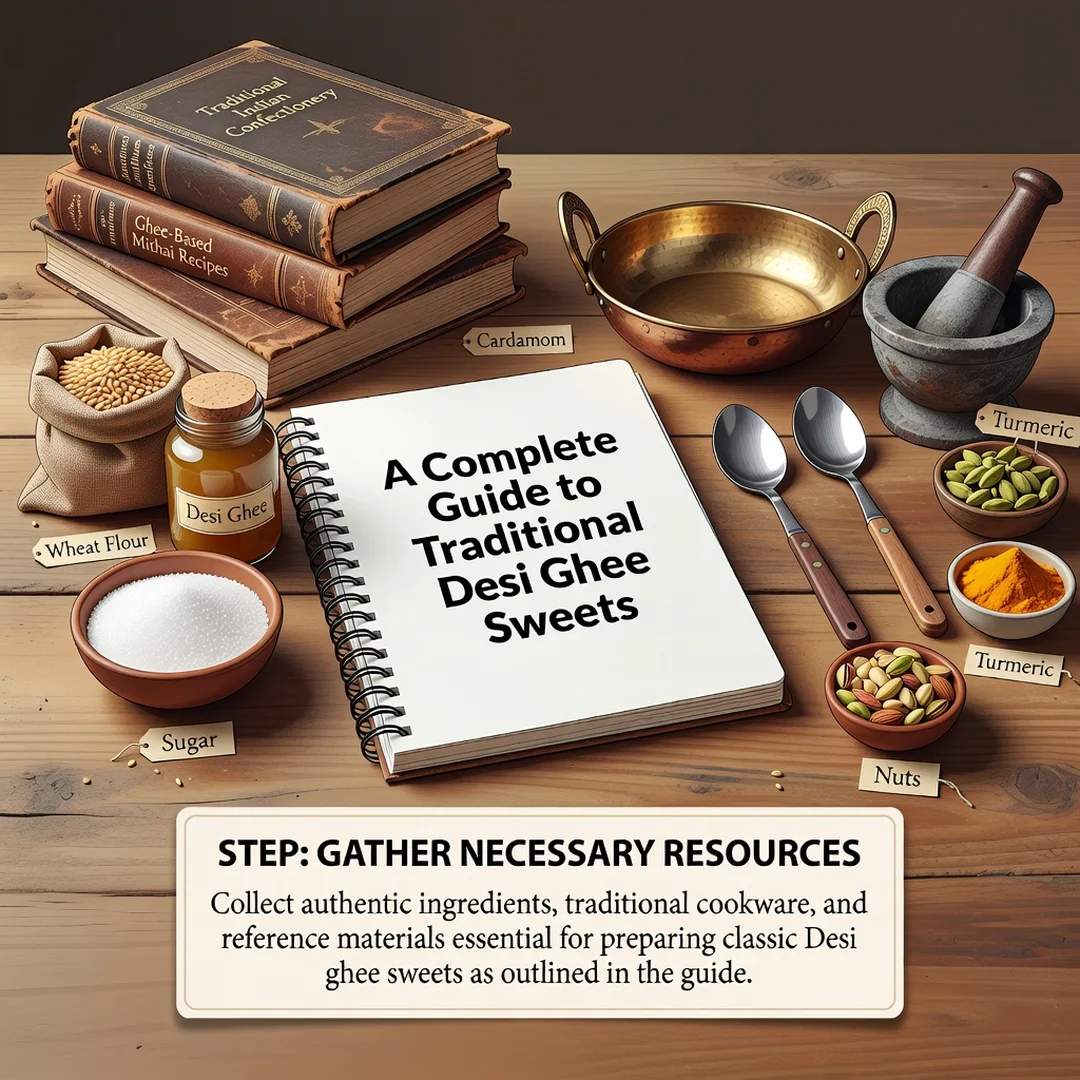
Step 4: Gather necessary resources
Collect your ingredients and tools before you begin. Measure ghee, sugar, flour, and flavorings into separate bowls. Preheat your pan gently. Having everything ready reduces the chance of burning or overcooking, especially when a recipe moves quickly.
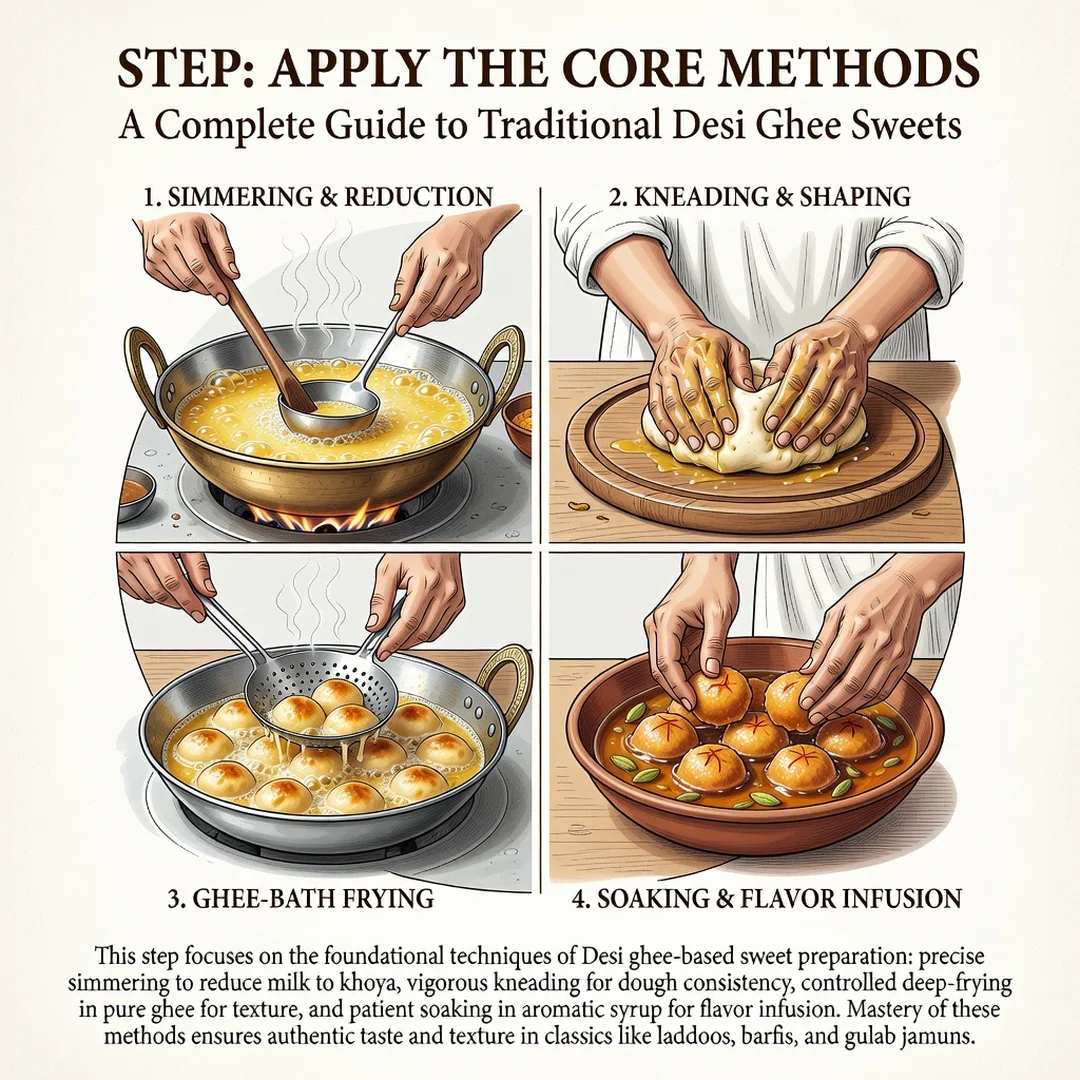
Step 5: Apply the core methods
Now cook. Roast flour or nuts in ghee over medium heat, stirring constantly. Add sugar or syrup at the right stage, and remove the pan from heat before the mixture becomes too dry. Shape, cool, and store according to the recipe. Taste one piece before serving to others, and adjust sweetness or texture if needed.
FAQ
What should I know about A Complete Guide to Traditional Desi Ghee Sweets?
This guide covers the basics of selecting ghee, understanding common sweet categories, and preparing classic recipes safely. It emphasizes practical techniques like temperature control, accurate measuring, and proper storage. It also notes dietary considerations, since ghee sweets are rich and calorie-dense. The goal is to give you enough knowledge to make informed choices rather than follow recipes blindly.
Who is this guide for?
It is for home cooks, beginners, and anyone curious about traditional Indian sweets. You do not need professional training. If you can stir a pan and measure ingredients, you can make many of these sweets. It is also useful for readers who want to buy better-quality mithai or understand what goes into the sweets they already enjoy.
Conclusion
Traditional desi ghee sweets are more than dessert. They carry history, regional identity, and the warmth of shared celebrations. By understanding ghee, respecting temperature and ratios, and practicing a few consistent habits, you can make and enjoy these treats with confidence. Start with one recipe, keep notes, and let each batch teach you something. Understanding the fundamentals of A Complete Guide to Traditional Desi Ghee Sweets helps you make informed decisions, and over time those decisions add up to reliably better results.
Frequently Asked Questions
What should I know about A Complete Guide to Traditional Desi Ghee Sweets?
This guide covers the essentials of A Complete Guide to Traditional Desi Ghee Sweets with practical steps you can apply right away.
Who is this guide for?
Anyone looking for a clear, structured overview without unnecessary complexity.
You now have a solid foundation for A Complete Guide to Traditional Desi Ghee Sweets. Apply the best practices above and revisit this guide as your needs evolve.