
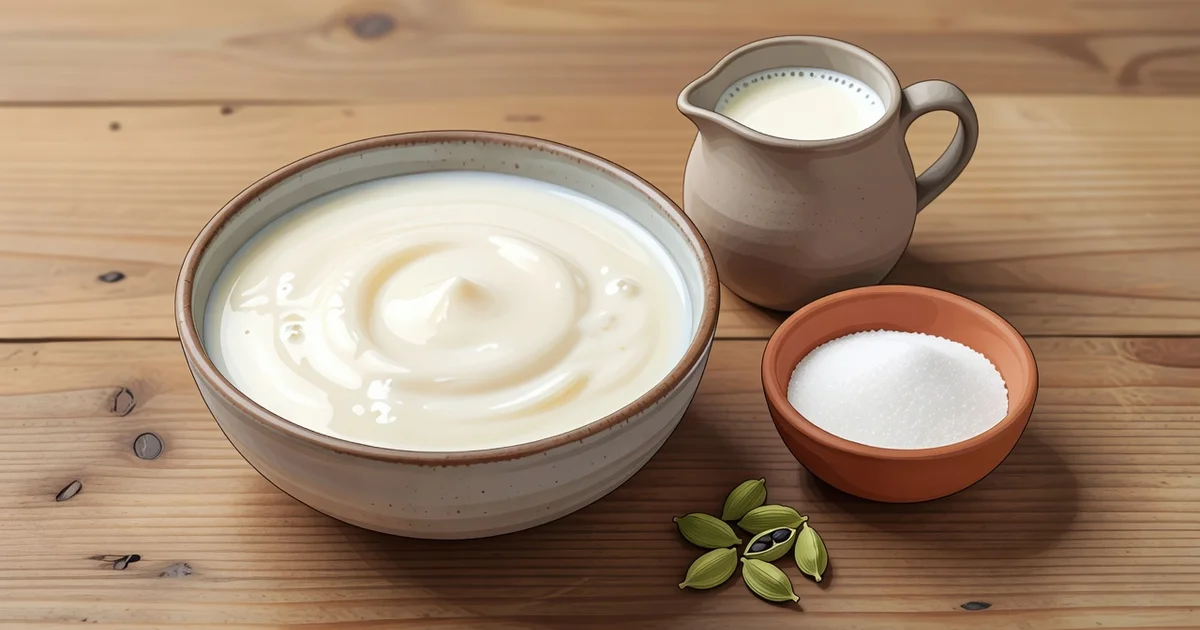
Rabri is a beloved Indian dessert known for its rich, creamy texture and delicate sweetness. While it may seem like a time-consuming treat reserved for special occasions, learning how to make creamy homemade rabri with simple ingredients is easier than you think. With just milk, sugar, and a few pantry staples, you can create this classic sweet right in your own kitchen.
In this guide, we’ll walk you through a straightforward method that delivers authentic taste without fuss. Whether you’re new to Indian cooking or a seasoned home chef, you’ll find clear steps, helpful tips, and ingredient notes to ensure perfect results every time. Let’s get started on this delightful journey to creamy, dreamy rabri.
Introduction
Rabri is a rich, slow-simmered Indian dairy dessert made by reducing milk until it thickens and develops a creamy, lightly caramelized flavor. Unlike many sweets that demand specialty equipment or hard-to-find ingredients, rabri is built on a simple foundation: milk, sugar, and patience. That simplicity is exactly why it remains a favorite in home kitchens across South Asia and beyond.
This article explores how to make creamy homemade rabri with simple ingredients and clear, practical guidance. You will learn what happens during the cooking process, which small decisions make the biggest difference, and how to avoid the common pitfalls that lead to thin, grainy, or scorched results. Whether you are preparing rabri for a festival, a family gathering, or a quiet weekend treat, the techniques below will help you produce a dessert that tastes deliberately made rather than rushed.
Understanding the fundamentals of making rabri helps you make informed decisions at every stage, from choosing the right milk to knowing when to stop cooking. Reliable information and consistent habits lead to better long-term outcomes, not just for this recipe but for anything you cook repeatedly.
Key Concepts
Before you turn on the stove, it helps to understand the handful of principles that govern how rabri behaves in the pan.
Milk reduction and fat content
Rabri is essentially concentrated milk. As water evaporates, the remaining solids, fat, and protein create body and richness. Full-fat milk produces the creamiest result because fat contributes mouthfeel and helps form the characteristic layers of cream, known as malai, that collect on the surface. Low-fat or skim milk will still reduce, but the final texture tends to be thinner and less luxurious.
The role of heat and stirring
Gentle, steady heat encourages even evaporation. Constant or frequent stirring prevents the milk proteins from sticking to the bottom of the pan and scorching. Scorched milk carries a bitter, smoky taste that no amount of sugar can hide, so attention matters more than speed.
Acidity and curdling
Milk curdles when acid is introduced or when it is heated too aggressively after something acidic has been added. In rabri, the main risk comes from adding flavorings such as lemon, vinegar, or certain fruit purees. Keep the base neutral until the milk has reduced, then add any acidic elements at the very end, off the heat.
Sweetener timing
Sugar adds more than sweetness. Added too early in large quantities, it can encourage sticking and alter the way proteins set. Many experienced cooks add sugar in the final third of cooking, once the milk has already thickened, so the texture develops cleanly.
Deep Dive
Making rabri is a study in patience and observation. The process rewards you for paying attention rather than following a rigid timer.
Start with a wide, heavy-bottomed pan. A wider surface area speeds evaporation, while a heavy base distributes heat and reduces hot spots. Pour in your milk and bring it to a gentle simmer over medium-low heat. As soon as steam rises steadily and small bubbles appear at the edges, lower the heat slightly. From this point on, the goal is a slow, steady reduction.
As the milk simmers, a skin forms on the surface. Rather than stirring it back in immediately, you can push it gently to the side of the pan. These collected layers of cream are what give rabri its signature texture. Periodically scrape the sides and bottom of the pan with a silicone spatula to incorporate dried milk solids back into the mixture. This step deepens flavor and prevents waste.
Reduction time varies widely. A liter of full-fat milk may take 45 to 90 minutes to reach a thick, pourable consistency, depending on your pan, heat level, and desired thickness. You are looking for milk that coats the back of a spoon and falls in a slow ribbon rather than a thin stream.
Once the milk has reduced, add sugar to taste and stir until dissolved. This is also the moment for aromatic additions such as cardamom powder, saffron soaked in a spoonful of warm milk, or a few drops of rose water. These flavors are delicate, so add them near the end to preserve their character.
Let the rabri cool slightly before serving. It thickens further as it cools, so stop cooking just before it reaches your ideal consistency. Serve warm, at room temperature, or chilled, topped with chopped nuts such as pistachios, almonds, or cashews.
Step-by-Step Guide
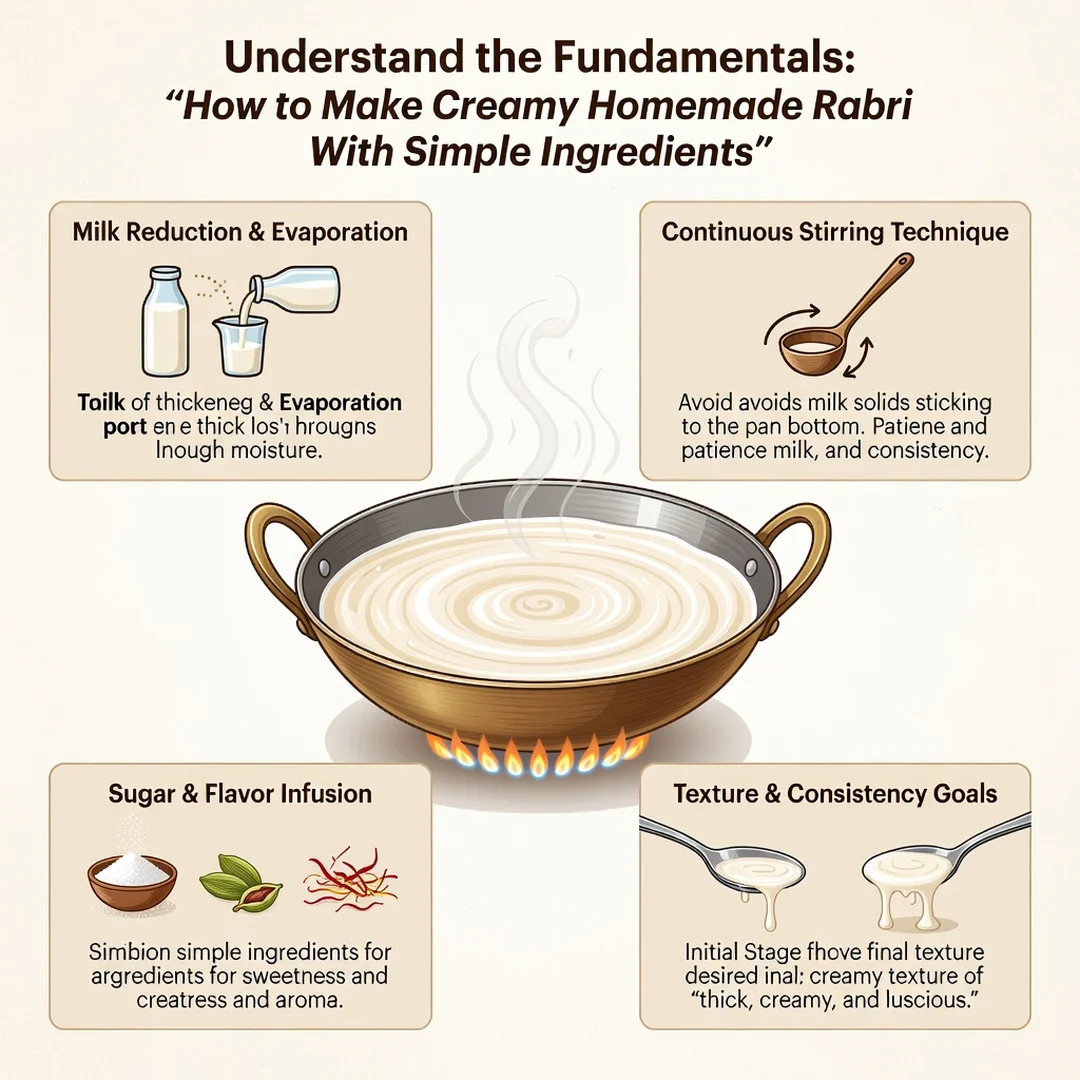
Step 1: Understand the fundamentals
Confirm that you understand why rabri works: slow evaporation concentrates milk solids, fat creates creaminess, and gentle heat prevents scorching. Knowing these basics lets you adapt when your kitchen, pan, or milk behaves differently than expected.
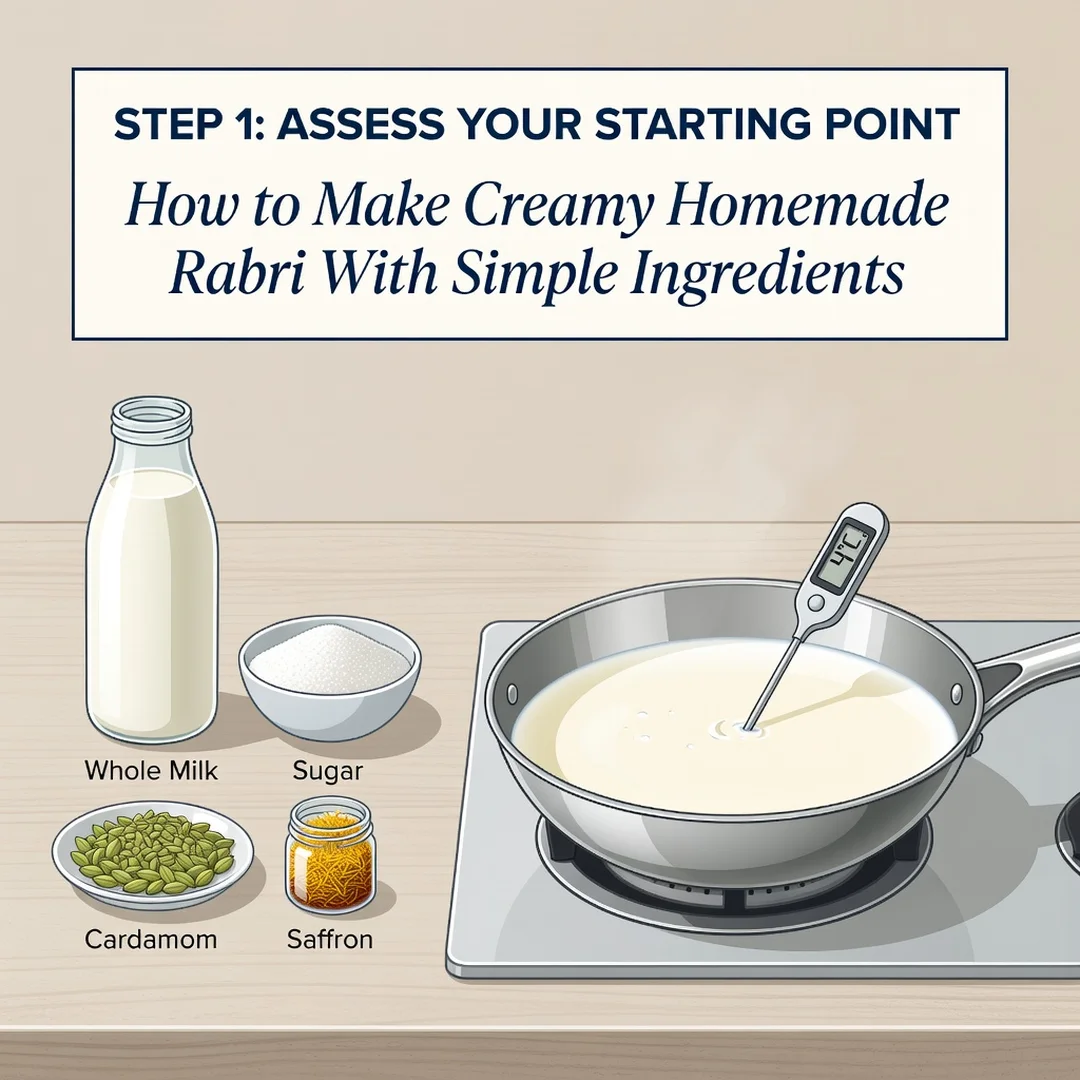
Step 2: Assess your starting point
Check what you already have. Look at your milk’s fat content, the pan available, your stove’s lowest reliable setting, and how much time you can give the process. If you only have low-fat milk, consider adding a tablespoon of milk powder or a splash of cream to improve body.
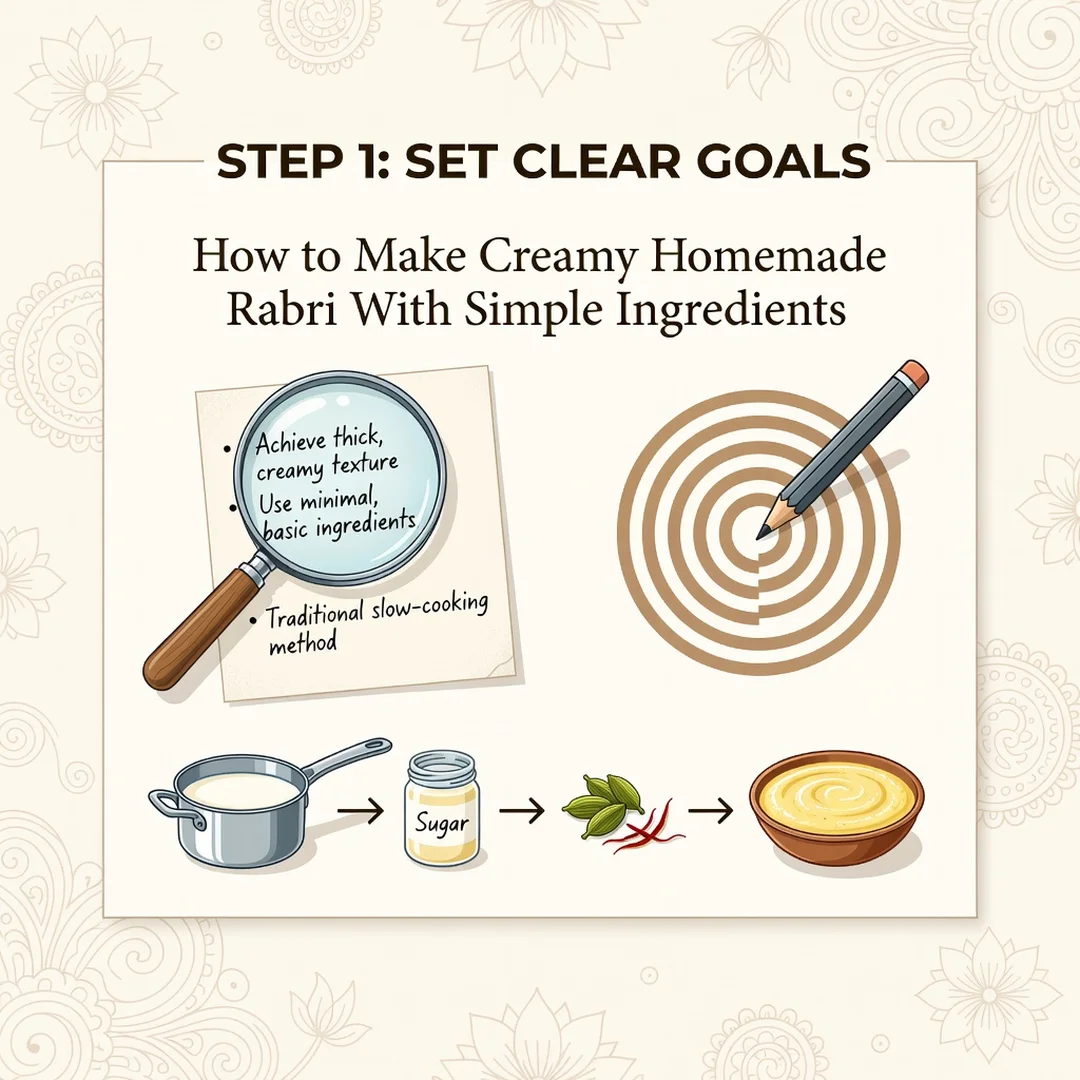
Step 3: Set clear goals
Decide what “done” means for you. Do you want a pourable rabri for pouring over fruit, a thick rabri for layering in desserts, or a very dense version for making sweets? Your target texture determines when you stop cooking.
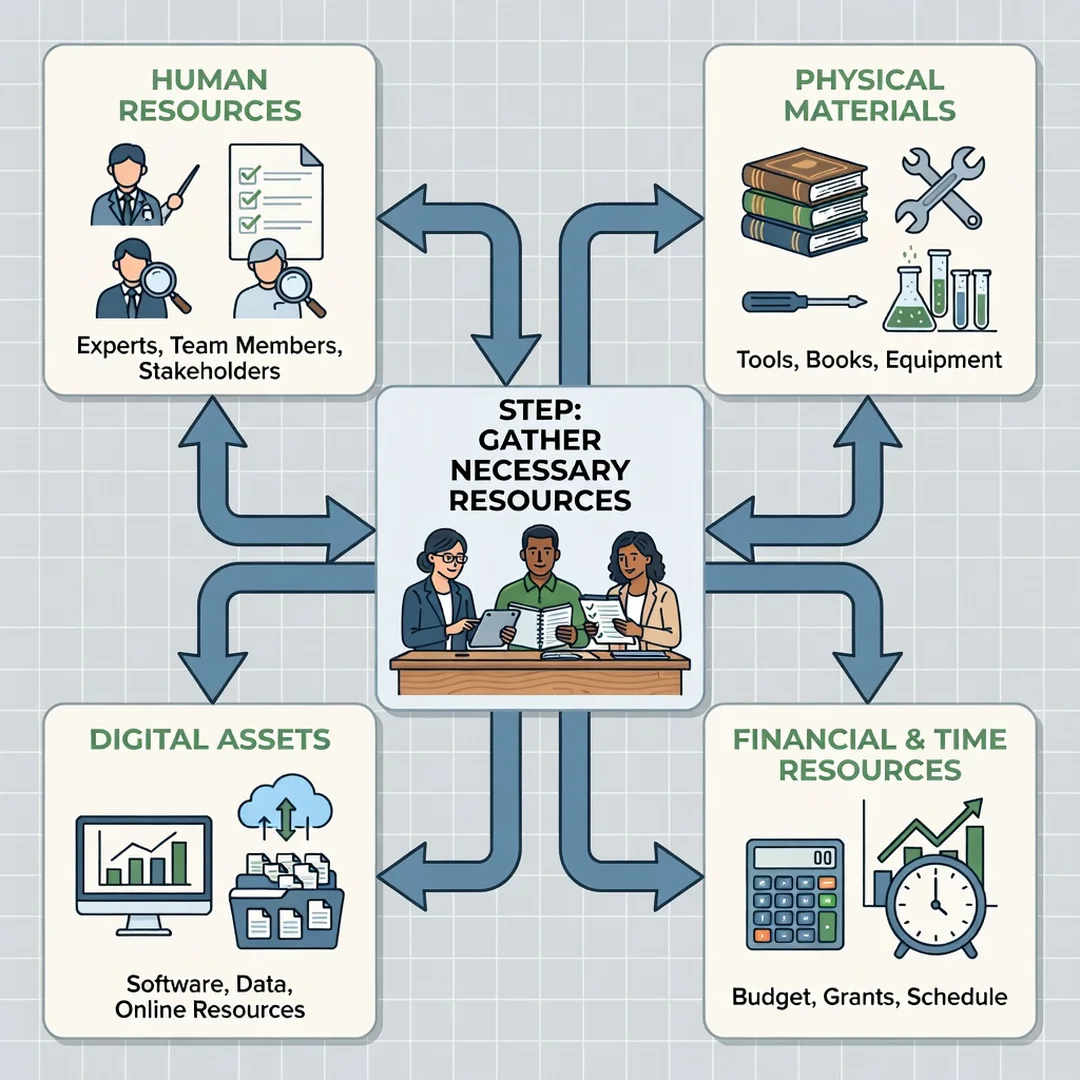
Step 4: Gather necessary resources
- One liter of full-fat milk, or more for a larger batch
- A wide, heavy-bottomed pan
- A silicone spatula or wooden spoon
- Sugar, adjusted to taste
- Optional flavorings: cardamom, saffron, rose water, or vanilla
- Chopped nuts for garnish
- A clean jar or bowl for storing leftovers
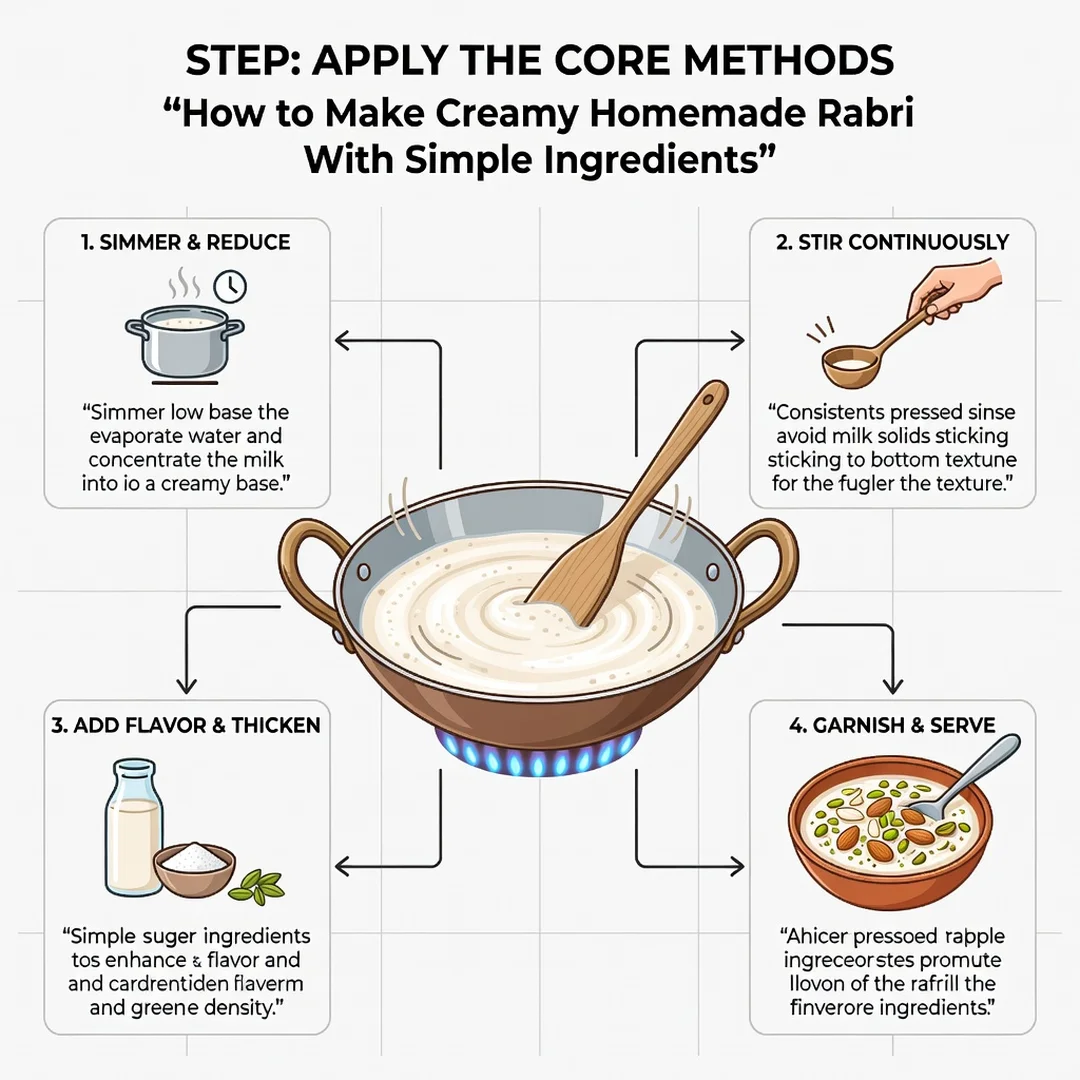
Step 5: Apply the core methods
Simmer the milk over medium-low heat, stirring frequently and scraping the sides. Collect the cream layers and fold them back in. Continue until the milk reduces to your target consistency. Add sugar and flavorings near the end, stir well, and remove from heat. Cool slightly, garnish, and serve or refrigerate.
Best Practices
Following a few consistent habits will noticeably improve your results.
- Use a heavy pan. Thin pans create hot spots that scorch milk quickly.
- Keep the heat low. A rolling boil risks burning and does not meaningfully speed reduction.
- Stir regularly. Frequent scraping prevents sticking and incorporates dried solids.
- Add sugar late. This keeps the texture smooth and reduces sticking.
- Flavor at the end. Aromatics lose potency with prolonged heat.
- Stop before it looks perfect. Rabri thickens as it cools.
- Store properly. Refrigerate in a covered container and use within three to four days.
- Reheat gently. Warm over low heat with a splash of milk if it has become too thick.
Reliable information and consistent habits lead to better long-term outcomes. The more often you make rabri, the more intuitively you will read the milk’s behavior and adjust without measuring.
FAQ
What should I know about how to make creamy homemade rabri with simple ingredients?
The most important points are using full-fat milk, cooking over low heat, stirring frequently, and adding sugar and flavorings near the end. These four habits account for most of the difference between a thin, grainy rabri and a thick, creamy one.
Who is this guide for?
This guide is for home cooks of any experience level who want a dependable, approachable method for making rabri. It suits beginners who have never reduced milk before as well as experienced cooks looking for a refresher on technique and timing.
Conclusion
Creamy homemade rabri rewards patience more than precision. With full-fat milk, a heavy pan, low heat, and regular stirring, you can produce a dessert that tastes far more complex than its short ingredient list suggests. Add sugar and aromatics at the right moment, stop cooking just before your ideal thickness, and let the rabri finish setting as it cools. Understanding the fundamentals helps you make informed decisions, and consistent habits lead to better long-term outcomes every time you cook.
You now have a solid foundation for How to Make Creamy Homemade Rabri With Simple Ingredients. Apply the best practices above and revisit this guide as your needs evolve.